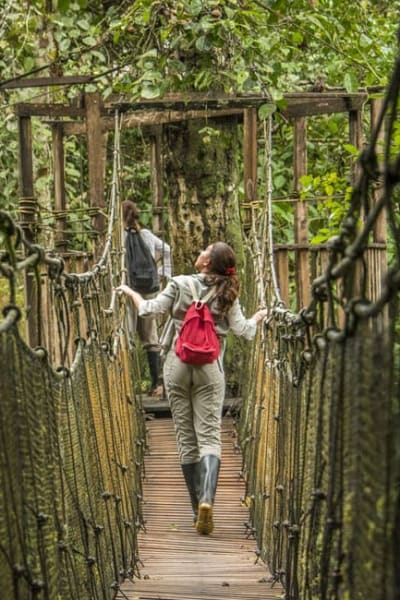

Panama is well known for its beautiful beaches, tropical rainforests, and idyllic islands, but the country’s cultural history is just as rich and enticing as any of its landscapes, being home to a rich indigenous heritage that is well preserved to this day.
Before the arrival of Spanish colonists, the land that is now Panama was the ancestral home of several indigenous groups, many of whom still reside in their own territories, known as comarcas. These Comarcas consist of semi-autonomous governments recognized by the Indigenous Peoples’ constitutional rights, and are ideal places for preserving historic customs and practices.
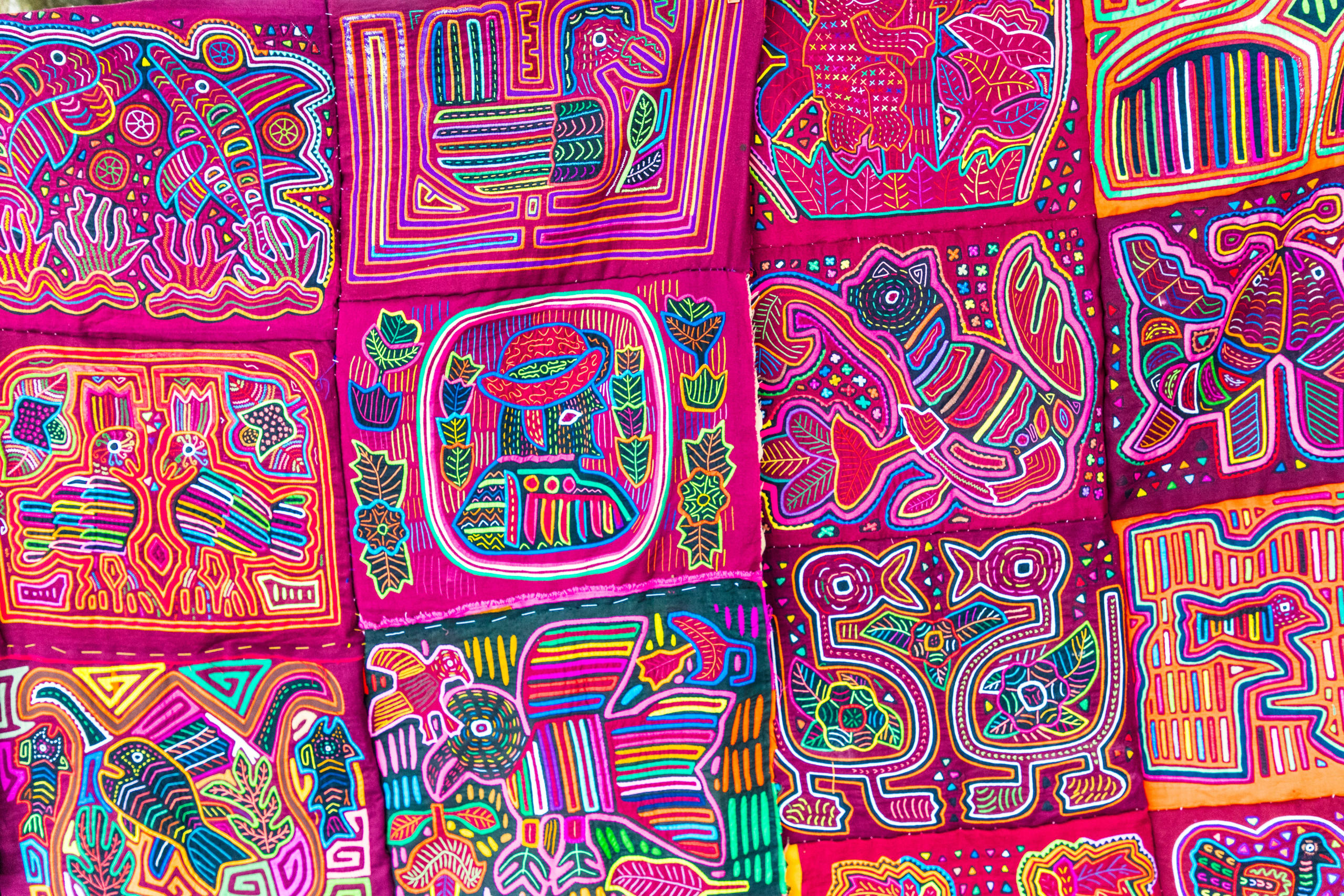
The intricate artistry of a Mola textile reflects the deep cultural heritage and storytelling traditions of Panama’s Guna people. Each hand-stitched layer reveals a unique window into their ancestral identity.
Over 4.2 million acres, or roughly 23% of the total landmass of Panama, is preserved within six comarcas: the Guna Yala, the Emberá-Wounaan, Guna Madungandi, Ngäbe-Buglé, Guna Wargandí, and the Naso Tjër Di. When you visit Panama, travelers have the opportunity to arrange a visit to some of these comarcas via local guides, and that is why visiting the country is such a rich cultural experience.
Today, the Central American nation is home to seven indigenous groups: the Guna, Emberá, Ngäbe, Bri Bri, Buglé, Wounaan, and Naso Tjër Di. What makes Panama so unique is that the art, music, and ancient heritage of each indigenous group is well preserved throughout the country. Of course, it is extremely important to honor the values and customs of each group when you visit, and travel etiquette is of the utmost importance — for this reason, guided cultural encounters are encouraged.
Consider this your gateway to Panamanian indigenous culture, and read on for more information on the nation’s seven indigenous groups, with tips on where and when to visit each one during your next trip.
The Guna are one of the most well-known Indigenous Peoples in Panama, residing along the Caribbean coast, within the Guna Yana archipelago. Of the 365 Guna Yala islands, approximately 49 are inhabited, and the population of the autonomous territory is roughly 30,000 people. The Guna have a history of fishing, trading, agriculture, and cloth manufacturing. Traditional jewelry is created from small beads to adorn arms and legs, while molasmola is a multicolored fabric appliqué that adorns shirts or other items.
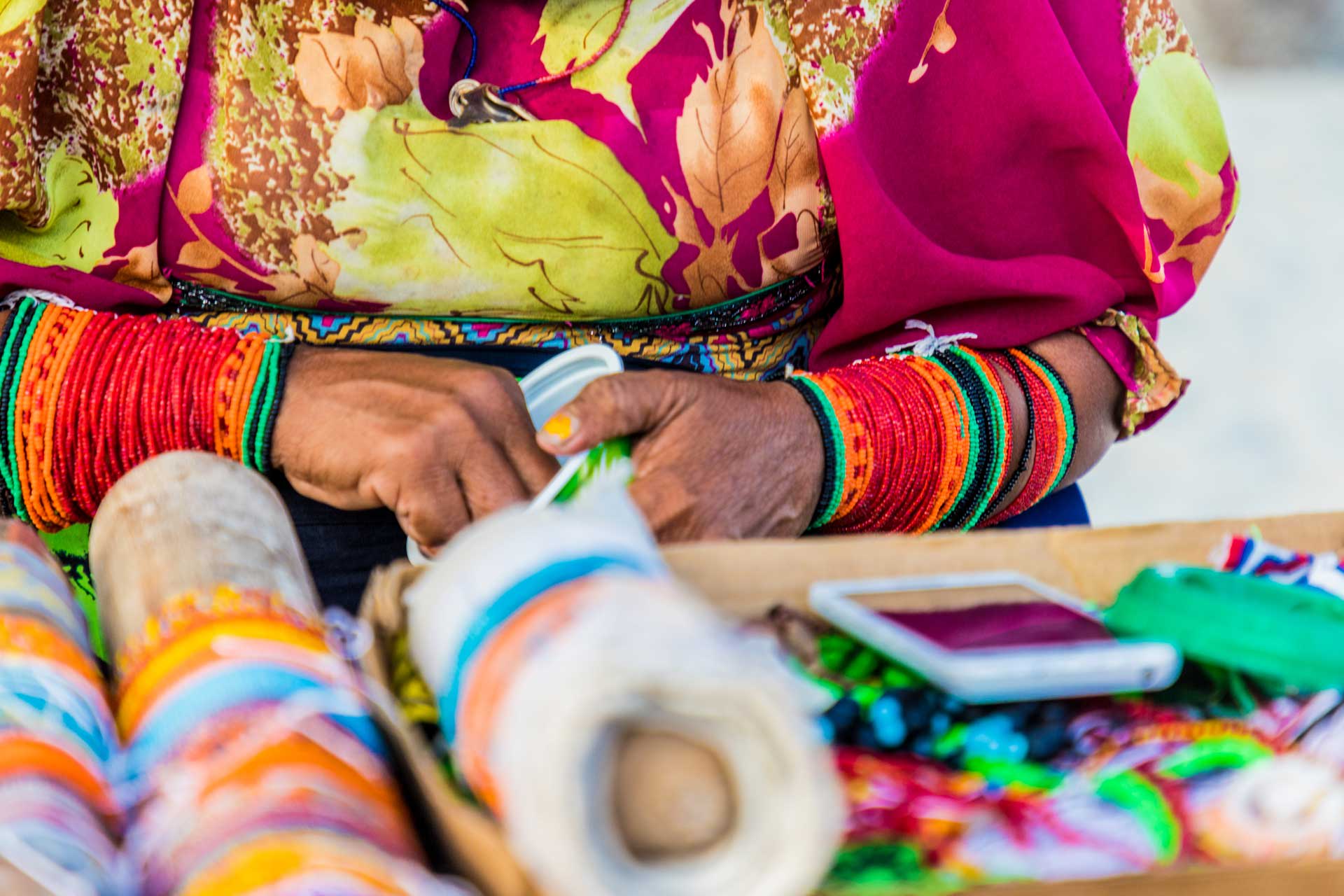
The vibrant “winis” beaded sleeves worn by Guna women are more than just adornment; they are a testament to meticulous craftsmanship and a living link to their community’s artistic soul.
Head to the Bocas del Toro region of Panama, where the Naso Tjër Di are considered America’s Last Monarchy, and travelers have the chance to visit the Naso king and his royal palace in Siellik. The Naso region in northwest Panama extends over the Palo Seco Protected Forest and La Amistad International Park (PILA), a UNESCO World Heritage Site, and the community has a deep connection to the water. Other cultural experiences include traversing the Teribe River on a traditional raft and practicing your bow and arrow and fishing skills, as well as learning more about the history of cacao.
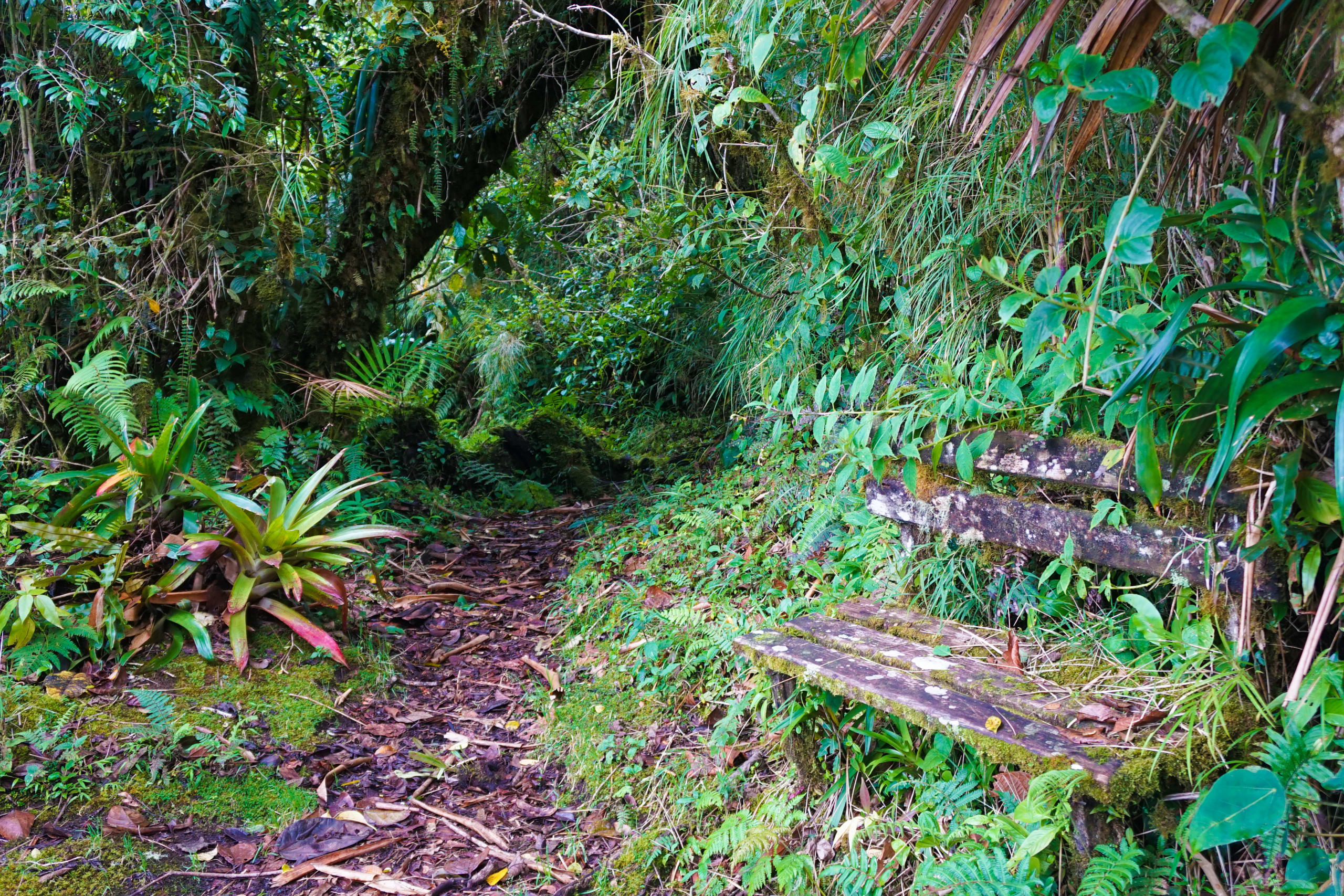
The Naso Tjër Di reside within the heart of the La Amistad International Park, where ancient forest trails connect communities to the natural world they have protected for generations.
Western Panama is also home to the Ngäbe and Buglé groups, within the largest comarca in Panama (over 2,500 square miles), which was established in 1997. The mountainous land is home to both the Ngäbe and Buglé people, who speak separate languages but are closely related via a shared history of agriculture. Together, they represent the nation’s largest combined Indigenous populations. Check out the local clothing and jewelry — the Ngäbe in particular are known for their handwoven bags and colorful dresses. Waterfalls are also a symbolic place to visit, as the Ngäbe view the waterfall as a connection between the living and their ancestors — the Kiki, at 371 feet, is one of the most beautiful waterfalls in the country.
Also located in Bocas del Toro are the Bri Bri people. Originally from Costa Rica’s Talamanca reserve, a group of Bri Bri traveled to settle in northern Panama. Today, roughly a thousand Bri Bri live in Panama, though more remain in Costa Rica. Of this group, the languages spoken are Bri Bri and Spanish. The Bri Bri rely on subsistence agriculture, as well as hunting and fishing, and live in matrilineal clans of extended families. Women are the leaders of this society, as they are the ones who inherit the land from their forebears and also prepare the cacao, which is sacred in Bri Bri culture. They believe that the god Sibö̀ originally turned a woman into a tree, and cacao is used in traditional ceremonies and in the making of chocolate (but never for firewood).
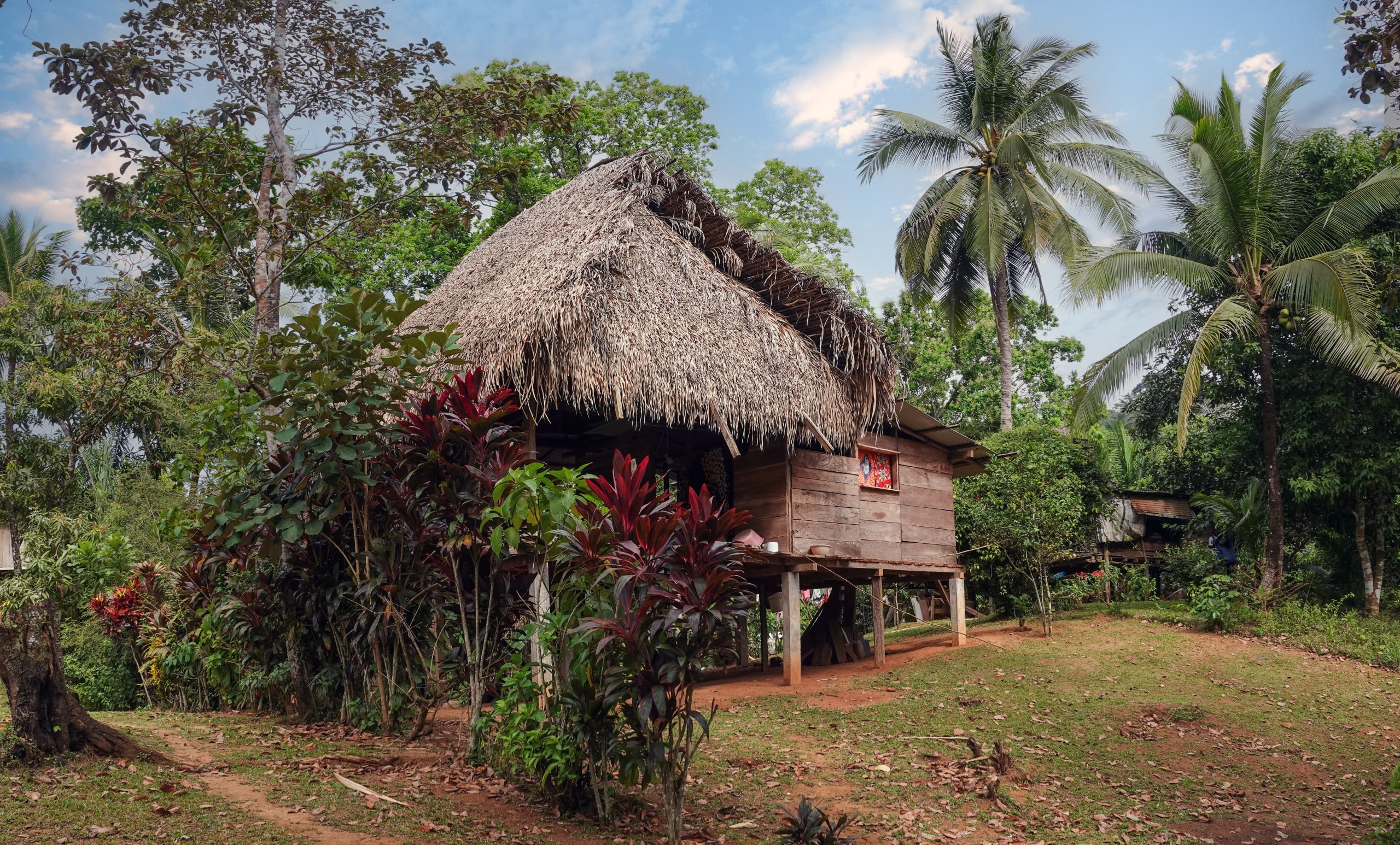
Tucked away in the borderlands, the Bri Bri continue to live in harmony with the forest. Their traditional dwellings are a masterclass in using natural materials to create a sustainable home within the jungle.
Lastly, we turn our focus to the Emberá and Wounaan peoples, who share many cultural practices and habits, but are separated by language. Today, they are often considered one group numbering around 29,000, and they reside in the Caribbean and Pacific slopes of the Darien rainforest. According to oral histories and research, both groups emigrated thousands of years ago from the Chocó region of Colombia. Today, one of the most exciting cultural activities visitors to Panama can book is an Embera Village tour. There, guests can meet leaders of the community, who will share their way of life and spiritual beliefs. You can also partake in traditional dance and learn about their handicrafts — remember to bring cash, as you will want to take a souvenir home with you.
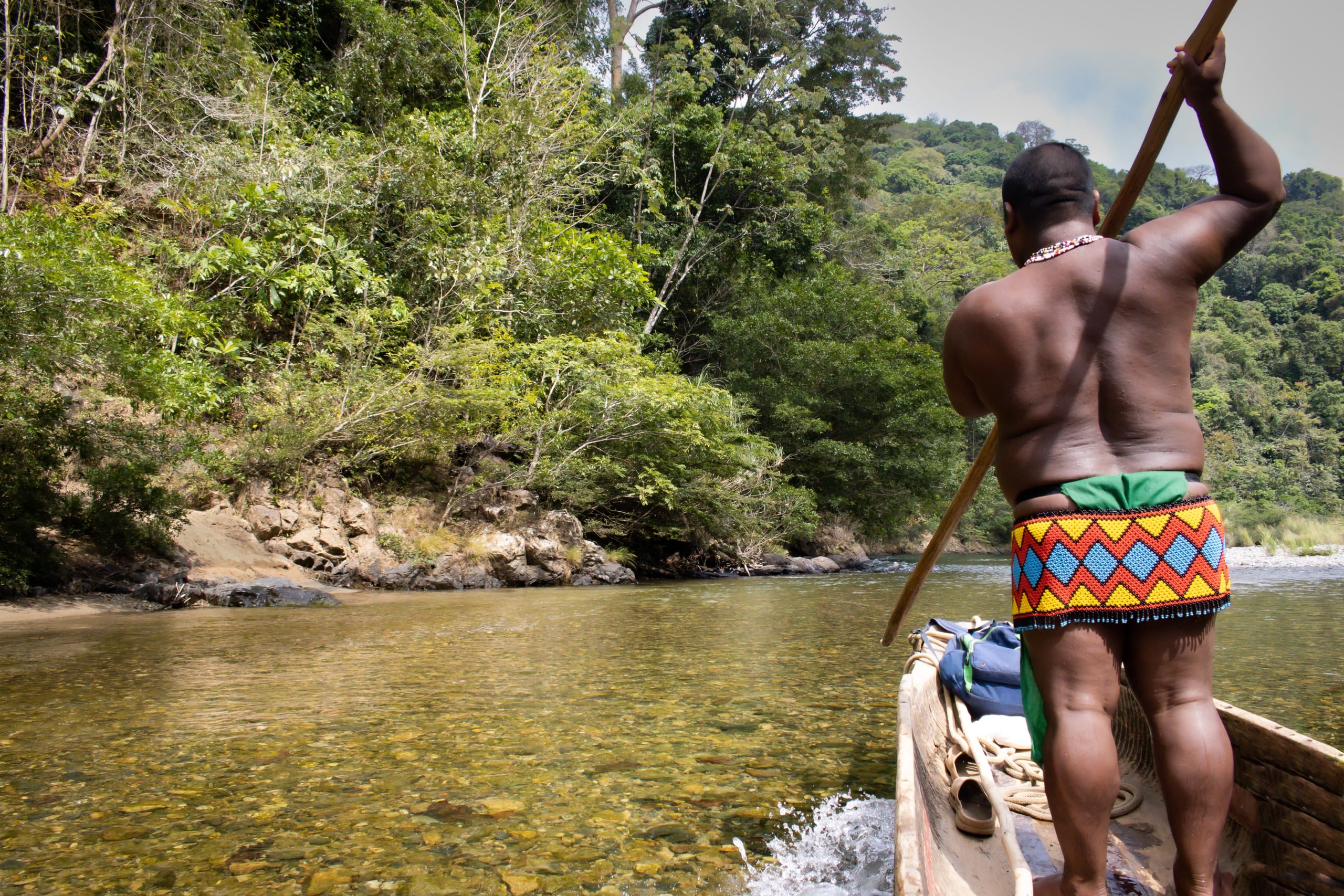
The river is the lifeblood of the Emberá-Wounaan people, serving as a vital highway through the dense rainforest. Traditional dugout canoes remain essential for navigating these ancient waterways.
Our Panama indigenous groups guide would be incomplete without a note on how to facilitate authentic and ethical experiences during your visit. Cultural tours in Panama are best when they are local and operated ideally by members of the community you are visiting. Consult Panama’s tourism bureau’s guide to the indigenous cultures for an example of the best experiences, and remember, as always, to mind the native customs in the locations you’re visiting — so, partake in the dance, or hike to the waterfall, ask polite questions, and, of course, be ready to learn more about another way of life from your own.
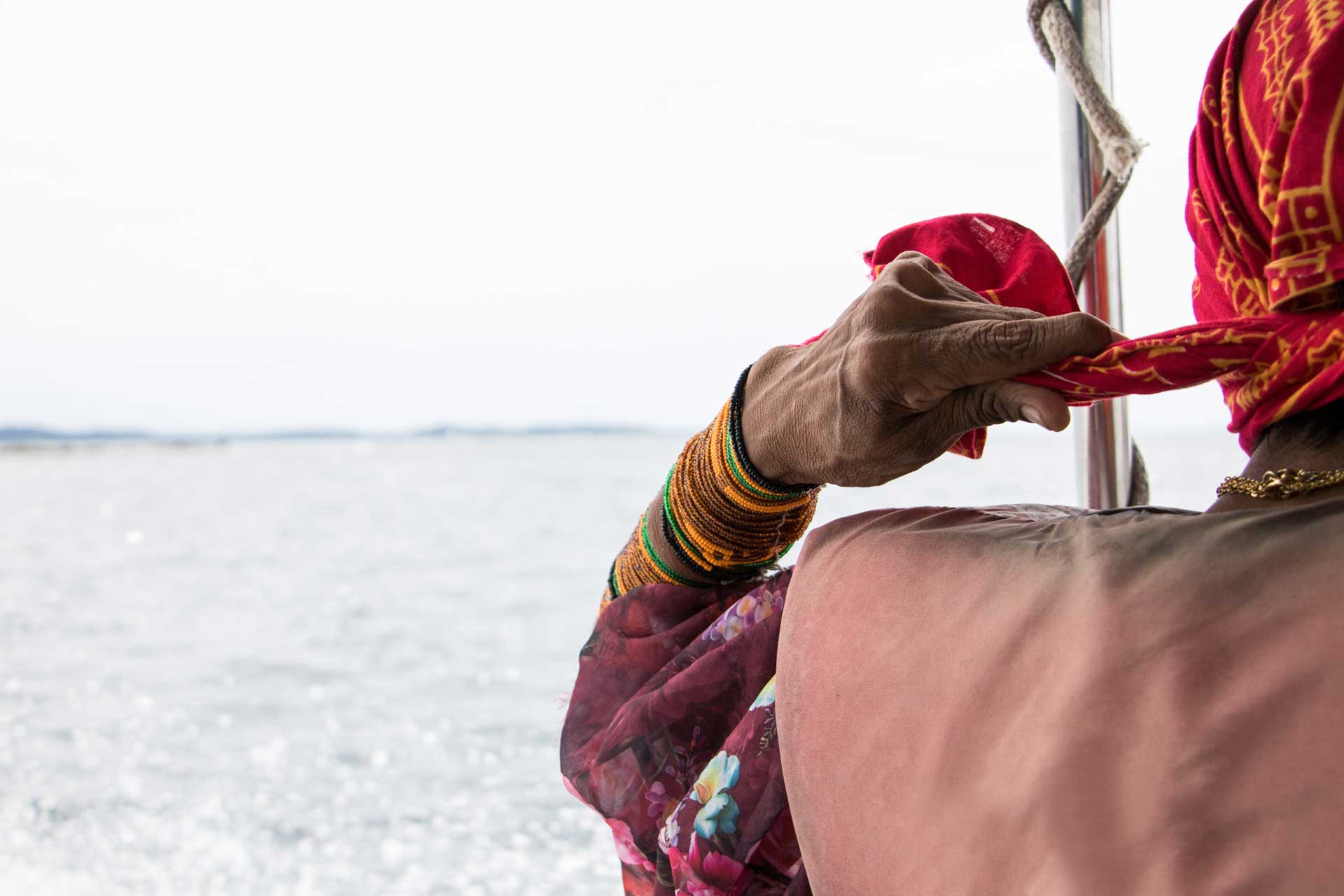
Meaningful travel begins with respect. Engaging thoughtfully with Panama’s indigenous communities ensures their vibrant traditions and stunning ancestral lands remain protected for the future.
While Rainforest Cruises aim to provide accurate and up-to-date information, we make no representations as to the accuracy or completeness of any information herein or found by following any link on this site. Rainforest Cruises cannot and will not accept responsibility for any omissions or inaccuracies, or for any consequences arising therefrom, including any losses, injuries, or damages resulting from the display or use of this information.