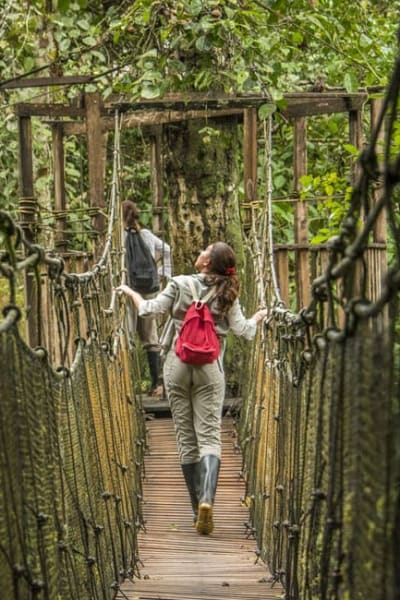

Panama is a pristine paradise—a land of unparalleled natural beauty and breathtaking vistas, as striking for its variety as for its enchanting tropical coastline and forests. It is renowned for its biodiversity, boasting cloud forests, rugged mountaintops, remote islands, and vibrant coral reefs.
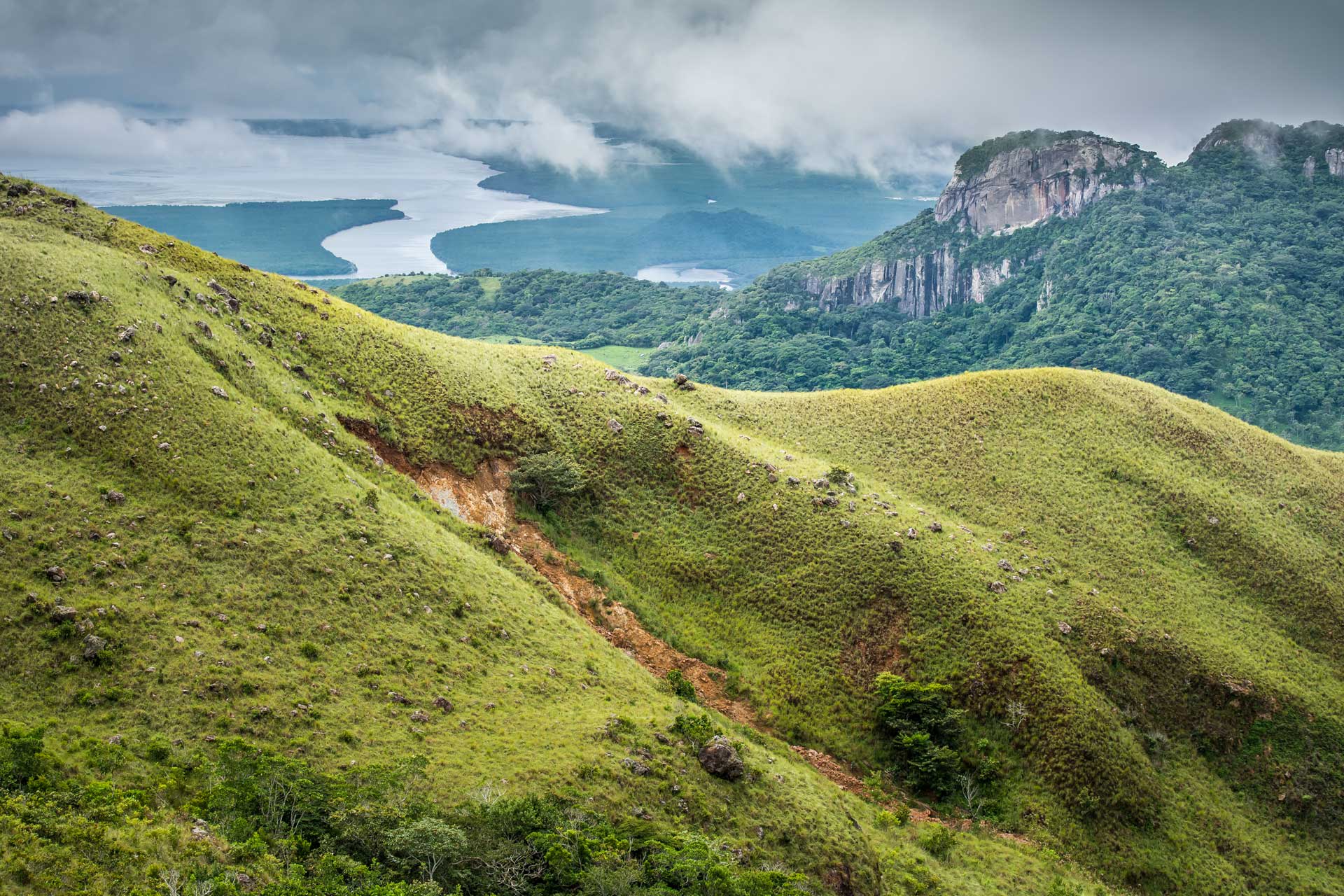
Panama is a spectacular destination for nature lovers, with a diverse landscape that includes lush rainforests, volcanic highlands, and vast protected areas like its numerous national parks.
The country’s unique geographical positioning serves as a link between North and South America, fostering animals and plants from the two continents to merge and thrive in the lush landscape. Panama is also connected to both the Atlantic and Pacific Coasts, enabling even more diversity of wildlife and countryside.
Panama is Central America’s most forested country, with 63% coverage, and is home to an array of national parks and rainforests — some quite accessible (Soberania National Park), and others much less so (the impossibly dense jungle of Darién). The national parks are run by the Panamanian government’s Ministry of Environment, and were created as a response to deforestation (the first park, Altos de Campana, was established in 1966). Indigenous communities play a major role in current conservation, partnering with the government and conservation organizations to promote sustainable practices and share cultural knowledge. The parks are also essential for the preservation of the Panama Canal: the protected forests regulate the water flow of the canal’s water supply.
Due to the topographical diversity, not every rainforest in Panama is created equal — from the most common lowland tropical forests (Darien and Soberanía) to high-altitude cloud forests (La Amistad), to coastal mangrove forests (Coiba), to montane rainforests (Volcán Barú), and more. More than a third of the landmass of the country is protected as national parks, wildlife refuges, or reserves — accounting for over five million acres.
With so much terrain to cover — there are 16 parks in the country’s national park system — we’ve narrowed down the most spectacular Panamanian parks from coast to coast. Read on for the essential guide to the rainforests, jungles, and mountains of the stand out national parks in Panama, and what they are best for.
If it’s birdwatching, you’re after, look no further than Soberania. The Pipeline Trail is famous for its feathered biodiversity, with 525 bird species — think toucans, parakeets, cuckoos, tanagers, and more. Be sure to head out on the trail at daybreak for the best chance to spot these avian creatures in the wild.
The 86-square-mile park is extremely accessible — a lowland rainforest located just under 16 miles from Panama City. True birders should consider visiting in late August to November for the raptor migration, where you can witness over two million birds of prey take to the skies.
How to Visit: Pay the $30 fee to access the Rainforest Discovery Center, which provides conservation information and features a 105-foot observation tower above the forest canopy.
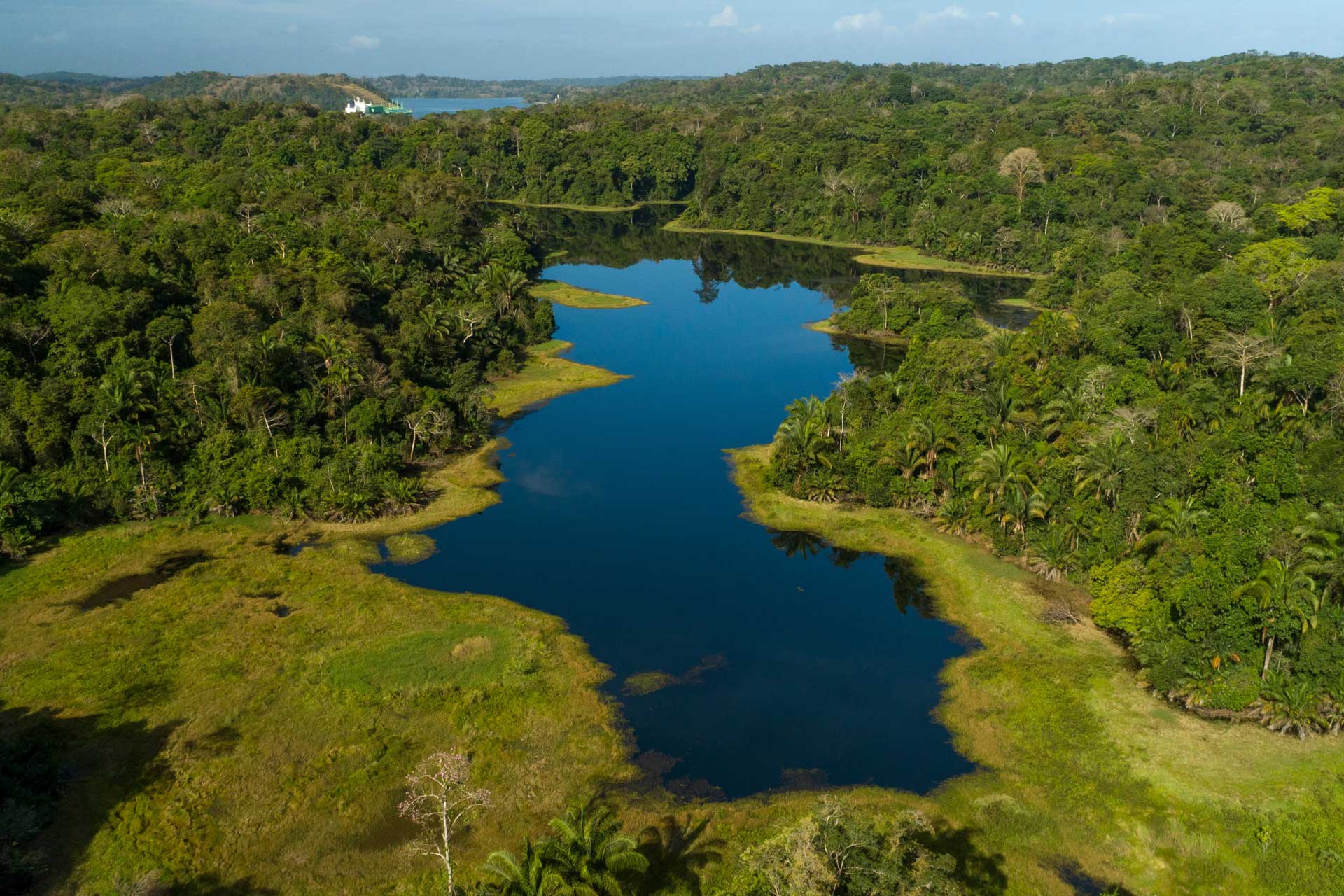
Just a short drive from Panama City, Soberanía National Park offers easily accessible rainforest trails and is one of the world’s best birding destinations.
Our next selection is Coiba National Park, which boasts pristine coastline and untouched islands, 147 bird species, and an abundant array of marine life — snorkelers and divers will find themselves in an aquatic heaven amidst hawksbill, leatherback, and olive ridley sea turtles, and bottlenose dolphins. The vibrant coral reefs are home to manta rays, parrotfish, angelfish, and hammerhead sharks.
Coiba is located in the Panama Bight marine ecoregion, which stretches across to Colombia and Ecuador along the Eastern Tropical Pacific and is known for its rich biodiversity — from mangrove forests to vibrant coral. Considered one of Central America’s top marine parks, Coiba’s 270,125-acre park is located on Coiba Island, a UNESCO World Heritage Site 12 miles off the mainland in the Eastern Pacific. Coiba is the largest of the park’s 38 islands, and visiting requires booking a tour via a local guide or dive operator.
How to Visit: nearby Santa Catalina is the best place to arrange your visit (and the surf town itself is fun to explore on an afternoon, too).
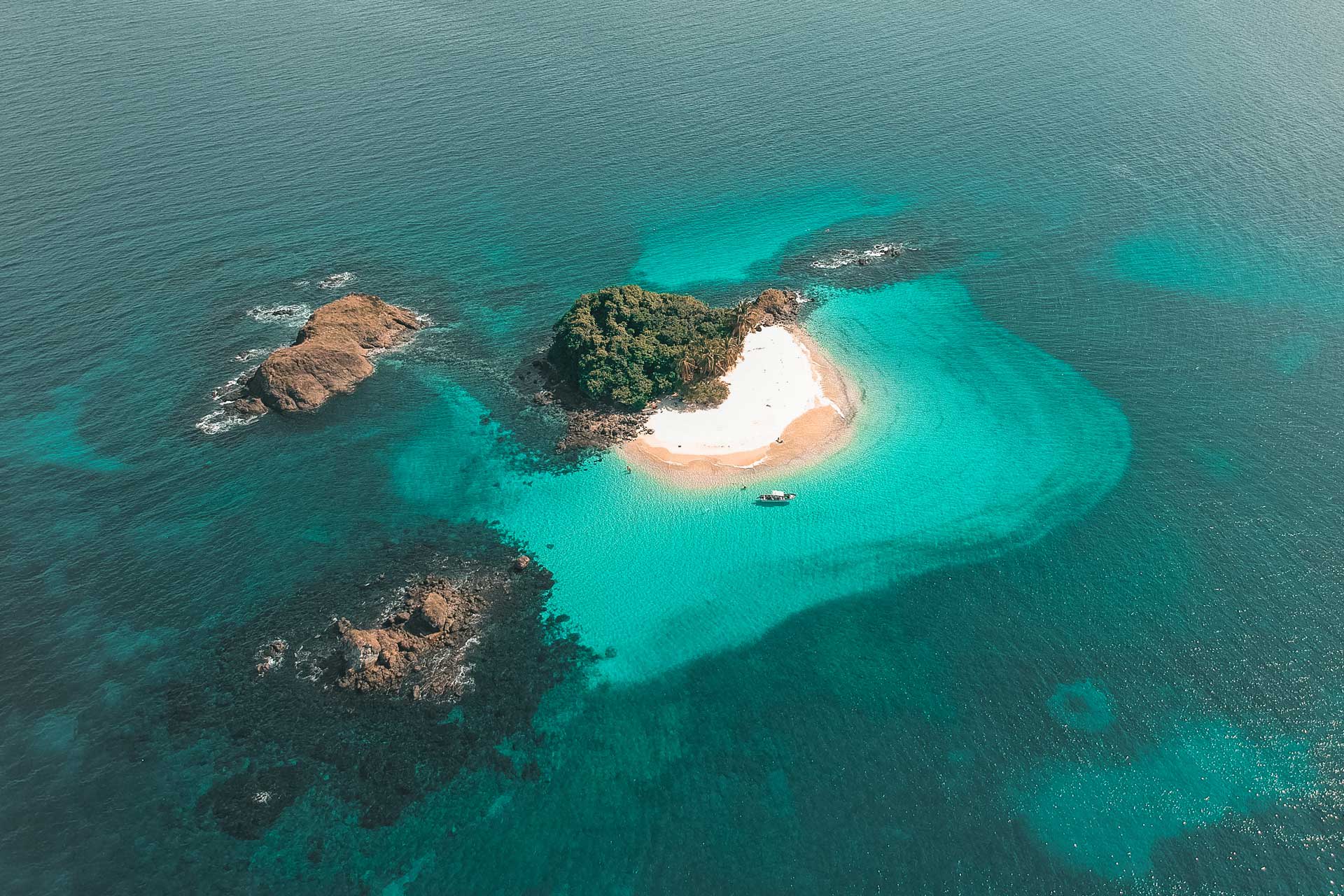
Coiba National Park, a UNESCO World Heritage Site, protects a vast marine area, making it one of the world’s best places for diving, snorkeling, and exploring pristine island ecosystems.
Head into the wild at Darien National Park, a UNESCO biosphere reserve, where over two million acres of untouched rainforest abound (the largest park in Panama, and the largest protected area in Central America). Darien is part of the Chocó–Darién Global Ecoregion, recognized as one of 25 global biodiversity hotspots.
This park is not for the casual travelers, but more the intrepid explorer — Darién is home to some of the most remote wilderness in Central America. Multi-day river journeys bring travelers through to Wounaan or Emberá indigenous communities, and on wildlife treks to spot jaguars and tapirs. The entire experience is off-grid, so a local guide or professional outfitter is imperative for securing the permits and the gear necessary for embarking on your journey.
How to Visit: Darien expeditions begin at the end of the Pan-American Highway, in the town of Yaviza, though trips originating from Panama City can also be arranged.
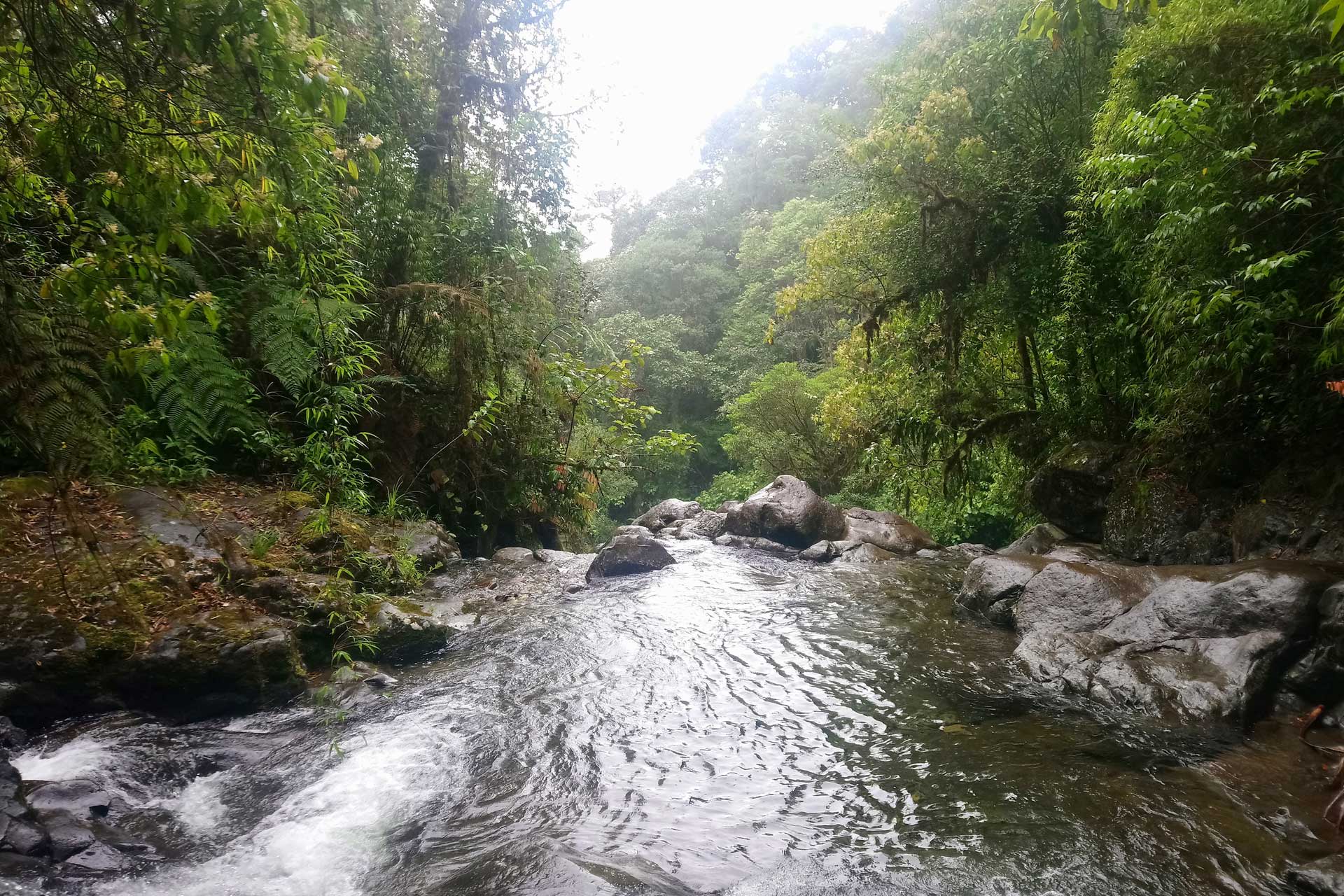
Darién National Park is Panama’s largest and most remote protected area. Its dense, pristine rainforest is a true wilderness teeming with unique wildlife and vital waterways.
Head to the Talamanca mountains to Volcán Barú, the highest point on Panama at 11,398 feet in the Chiriqui Province. Volcán Barú National Park is a 55-square-mile cloud forest, and one of the most biodiverse regions in Panama, and the best way to explore the park is on foot via one of the several hiking trails (just remember to look up to catch the afternoon rainbows and rare bird species, such as the Quetzal.)
The most popular trail is the hike to the Barú summit, where you can observe the Pacific and Caribbean oceans from the very top. The best time to trek is just after midnight — travelers will hike via torchlight to catch a spectacular sunrise from the peak (this is also the best time of day for birding).
How to Visit: Admission to the park is $7, and the trailhead starts outside Boquete. A guide isn’t required but recommended for travelers who aren’t regular hikers.
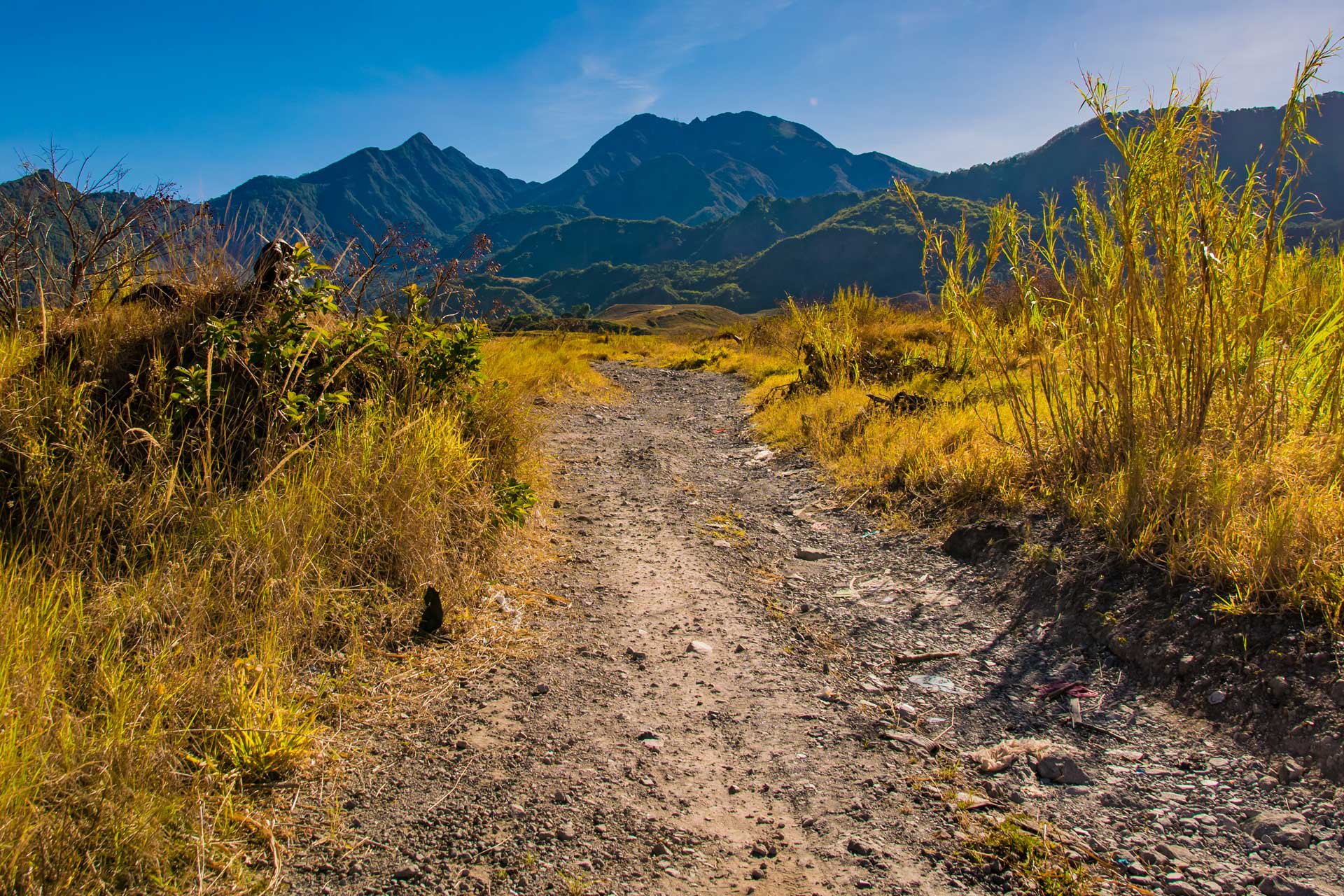
Volcán Barú National Park offers some of Panama’s best high-altitude hiking, including the challenging trek to the summit of the country’s highest peak for a sunrise view.
Head to Chagres National Park to explore some of Panama’s gorgeous yet underrated lowland rainforests surrounding the Panama Canal. Expect to discover butterflies, toucans, and white-faced capuchins fluttering amidst the lush environment on your visit. Top activities include hiking, waterfall treks, and canoeing the various rivers. To head further off-the-beaten path, your best bet is a guided tour — especially by boat.
The best option to experience the culture and take in the natural beauty is to sign up for an Emberá community tour — the Emberá are the indigenous people of the region, and your hosts will showcase traditional art and music, and serve local food.
How to Visit: Arrange transport across the river on a tour with the Emberá community from Gamboa, El Llano, or Puerto Corotú (the three most popular access points).

Chagres National Park is vital to the Panama Canal’s operation and is also home to the Embera Indigenous community, whose culture and knowledge of the rainforest are an important part of the park experience.
Head to Panama’s only international park (a transboundary protected area), La Amistad, which is jointly protected by both Costa Rica and Panama (the name means ‘friendship’.) Here, you will find a 991,000-acre cloud and tropical rainforest in the Central American highlands that is ideal for trekking and admiring the abundant wildlife and flora and fauna that is native to the region — the park is home to over 10,000 species of plants, 84 mammal species, and nearly 400 species of bird.
Explore the wetlands and the mangrove swamps on a multi-day trek coordinated by the Naso, an indigenous community that lives along the Teribe River and facilitates La Amistad expeditions with expert local hosts.
How to Visit: Admission to the park is $7, and, though visitors can enter without a guide, many of the trails are more rugged, and best navigated under the tutelage of an expert.
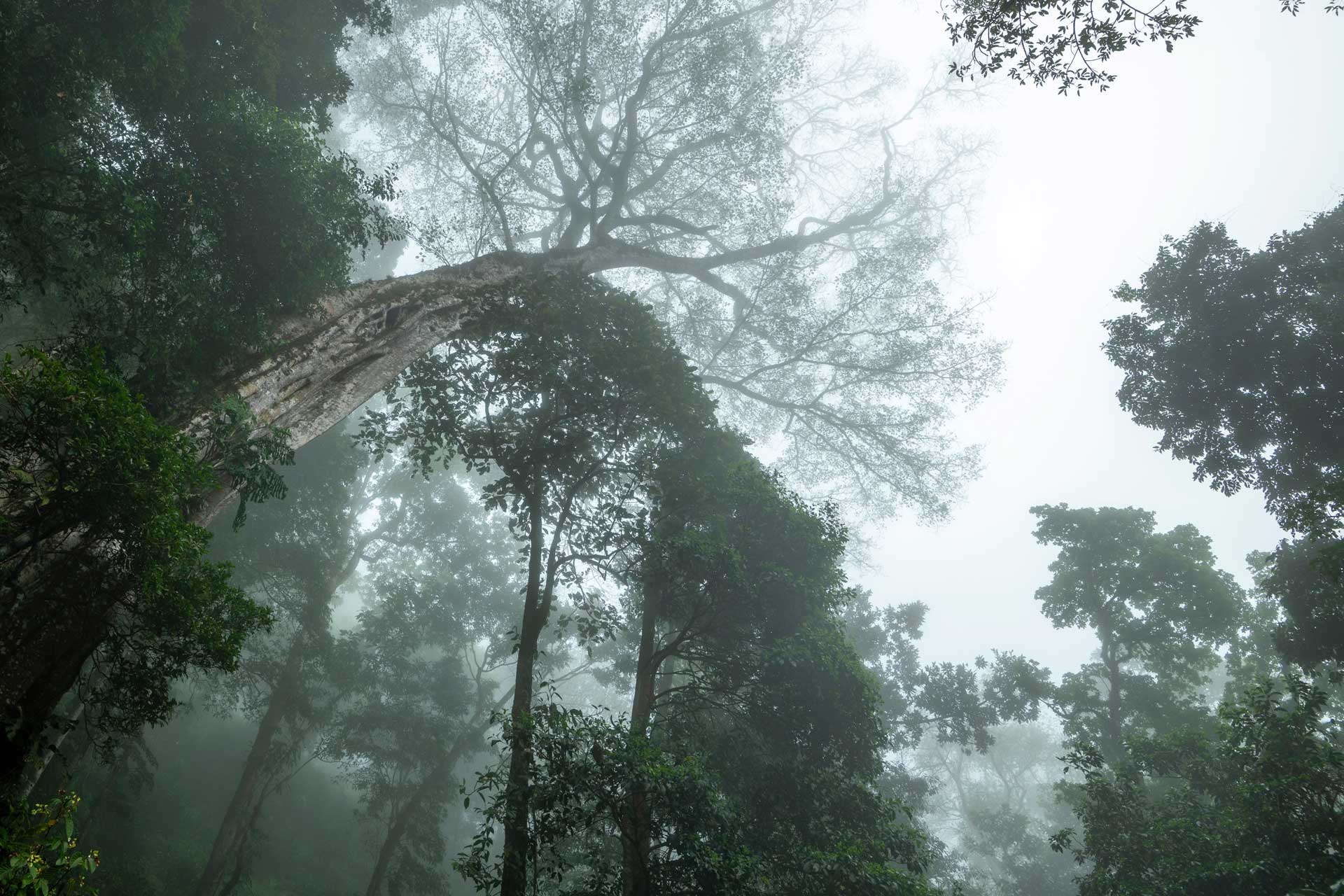
Shared by Panama and Costa Rica, La Amistad International Park protects vast tracts of cloud forest. Its misty high-altitude terrain is a biological treasure trove, ideal for exploring.
Although Panama may not be a large country— slightly smaller than the state of South Carolina — it’s still quite difficult to explore all the beautiful rainforests and national parks the country has to offer on a single visit. Unless, of course, you book a Panama expedition cruise, in which case visitors have the option of cruising along the Pacific or Atlantic coasts to explore destinations that may otherwise be inaccessible on a shorter trip.
Additionally, a tailor-made tour would capitalize on visitors’ individual interests — from birding to hiking to snorkeling, and more — and provide customized itineraries. Lastly, a local guide is always the best way to get a more comprehensive and insightful perspective on the country and the landscapes (and is an easy way to support the community, as well). Travel deeper, not further.
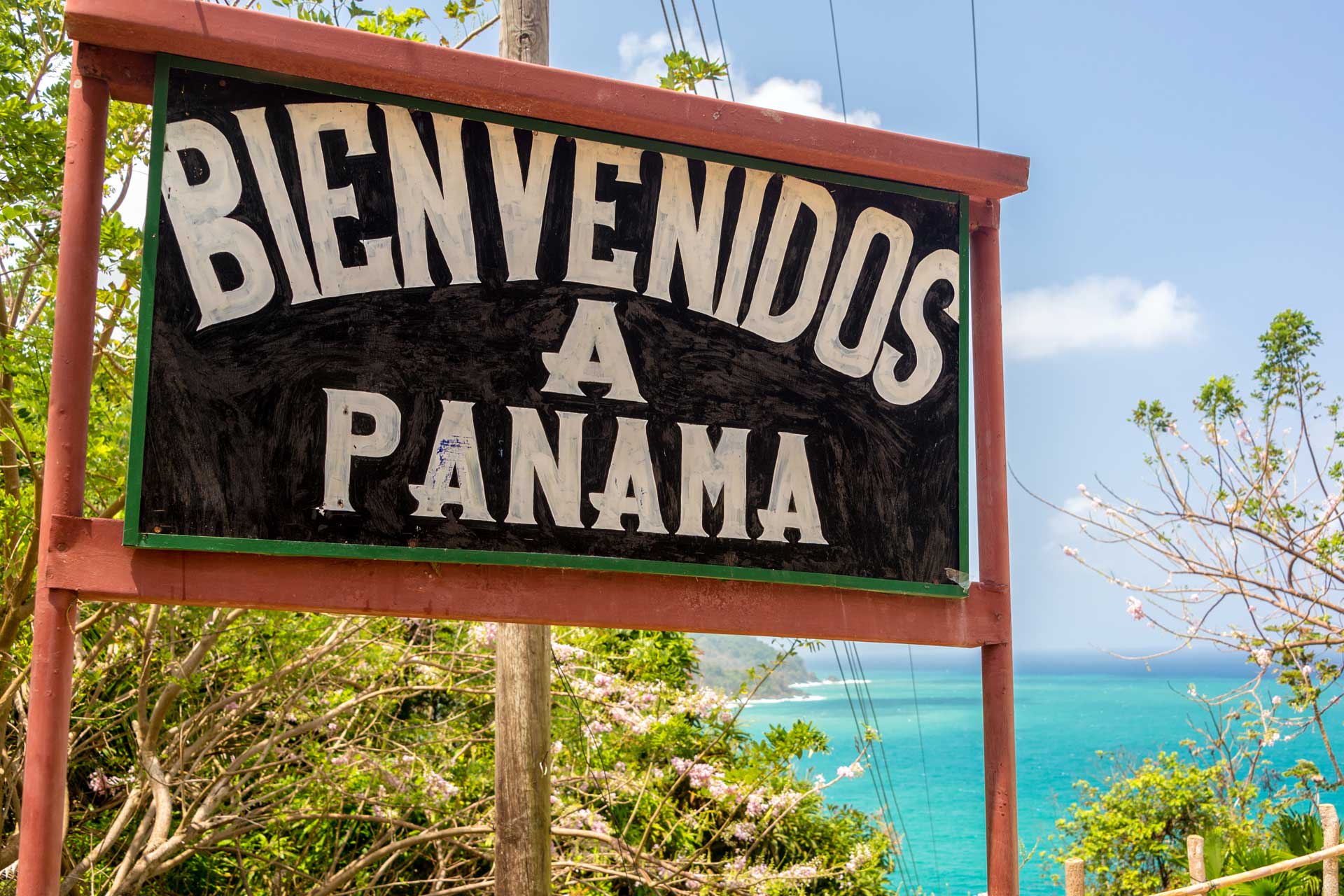
A tailor-made tour or expedition cruise is the ideal way to access Panama’s most remote and beautiful national parks, offering expert guidance and a seamless way to explore.
While Rainforest Cruises aim to provide accurate and up-to-date information, we make no representations as to the accuracy or completeness of any information herein or found by following any link on this site. Rainforest Cruises cannot and will not accept responsibility for any omissions or inaccuracies, or for any consequences arising therefrom, including any losses, injuries, or damages resulting from the display or use of this information.