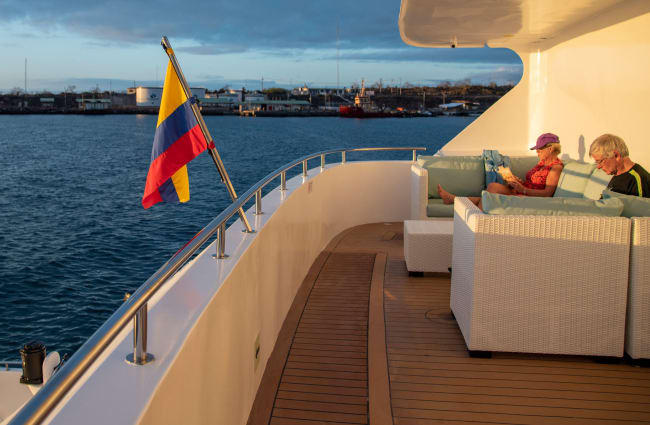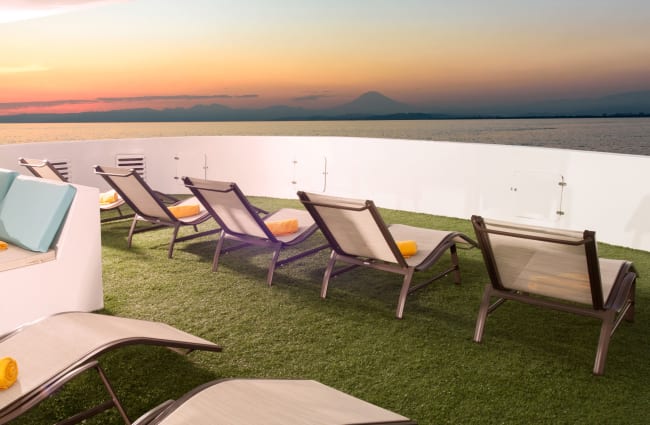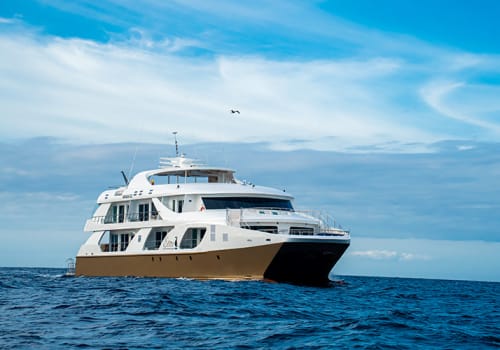
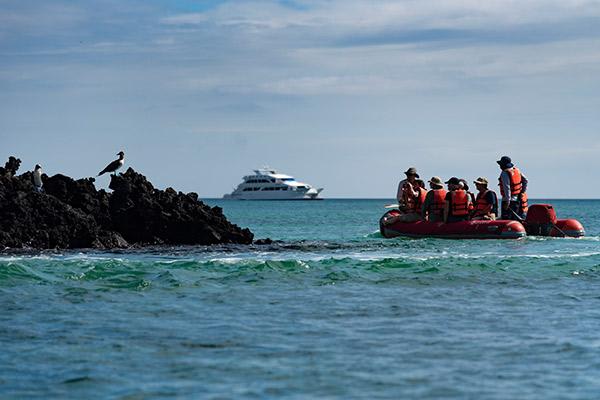
Eco Galaxy ship at sea Eco Galaxy seen from above
  1. Home
  2. Ecuador
  3. Galapagos
  4. Eco Galaxy

Eco Galaxy

Sustainable cruises and exceptional eco-friendly adventures that help support local foundations.

Overview

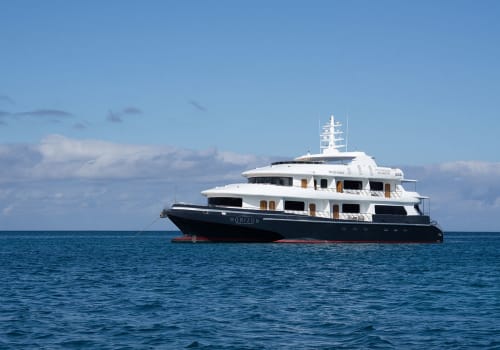
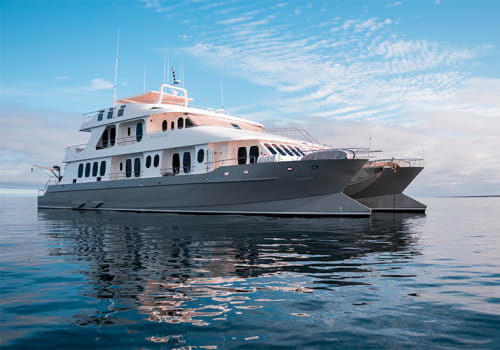
The 16-passenger M/C Eco Galaxy, built in 2015, is designed to maximize the passenger’s experience and minimize the impact on the Galapagos Islands’ ecosystem. The 8-member crew delight guests with a superior cruise, complete with luxurious interiors and three itineraries full of leisurely adventures.

Life Aboard The M/C Eco Galaxy

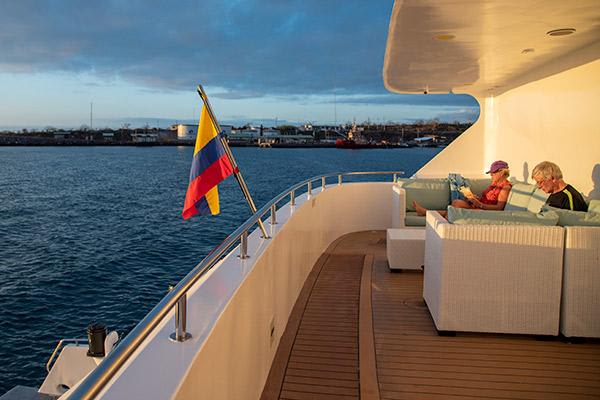
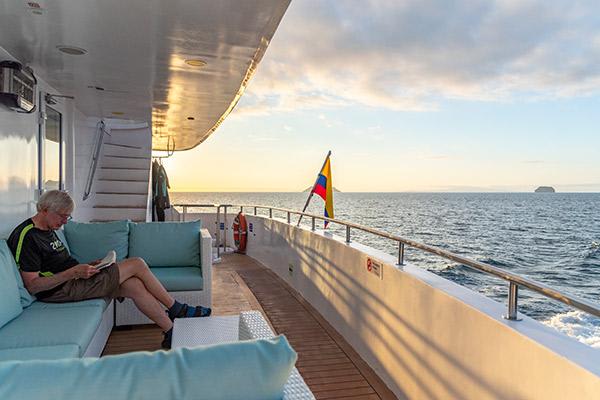
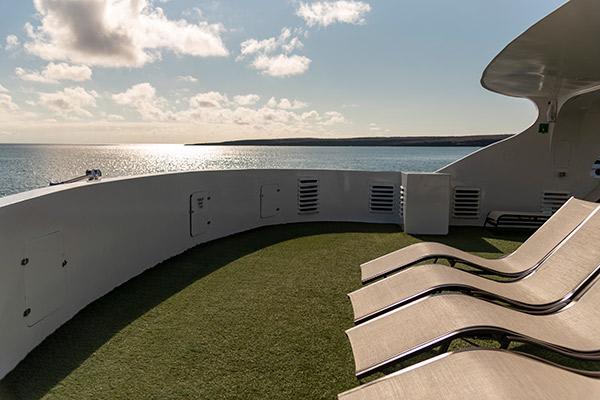
The 101-foot, 8-cabin catamaran has a family-friendly atmosphere that allows guests of all ages to feel at home. Adults will love the bar, which serves expertly crafted regional and international cocktails, as well as non-alcoholic beverages. Be sure to pick up your favorite on the way to the outdoor solarium. Then, sit back in a lounge chair, revel in the 360-degree views, and savor this moment in the Galapagos.

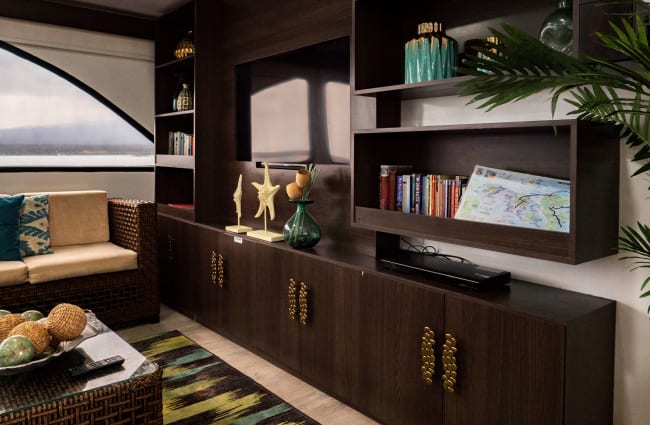
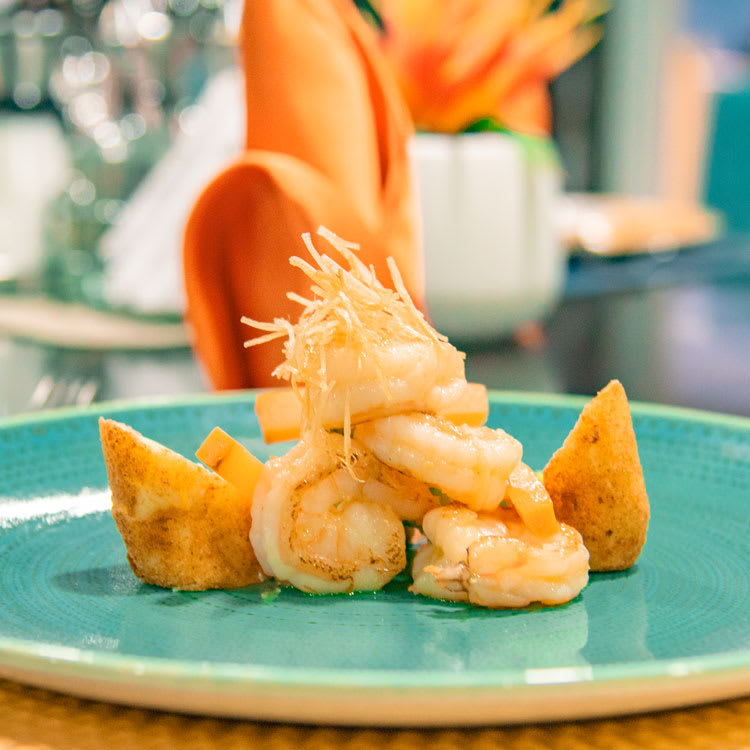
Younger cruisers will enjoy the indoor salon, which features a toy box, a small library, and the all-new Mydas App, which offers onboard entertainment such as movies, digital books, and educational material on the gorgeous Galapagos Islands. Meals are a treat for everyone, thanks to both a la carte and buffet options created from locally sourced ingredients. Meals suited to vegan, gluten-free, and other special diets are available on request. If you need a bit of a pick-me-up, the coffee bar is always open. No matter where you roam aboard the M/C Eco Galaxy, you will find sophisticated style and excellent service, which encourages tranquility and relaxation.

All of this luxury happens during a climate-friendly cruise. The M/C Eco Galaxy is equipped for low fuel consumption and utilizes biodegradable bath and cleaning products. The ship was awarded the Smart Planet Certification in recognition of excellent environmental practices and preservation of the Galapagos Island’s ecosystem.

Excursions From Your M/C Eco Galaxy Galapagos Cruise

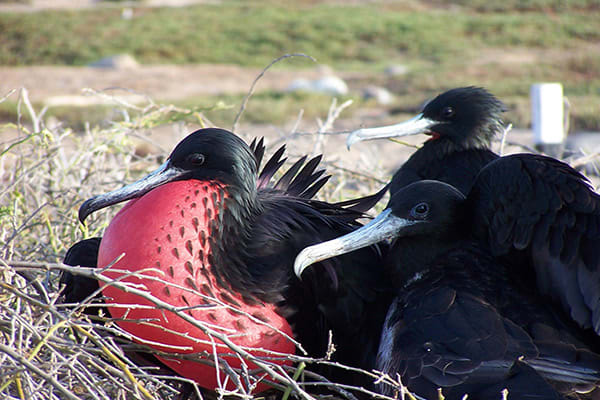
The Galapagos archipelago is made up of 127 islands. How do you choose which fabulous locations to explore? The M/C Eco Galaxy catamaran team breaks the area down into three zones, with each featured in its own itinerary. Choose one and experience all the Galapagos’ wildlife wonders without becoming overwhelmed by trying to pack too much into one vacation. On the five-day northern route, head up to Darwin Bay on Genovesa Island. There you will land on a coral beach, take a walk along a mangrove forest, see a colony of frigate birds and take a swim in the bay.

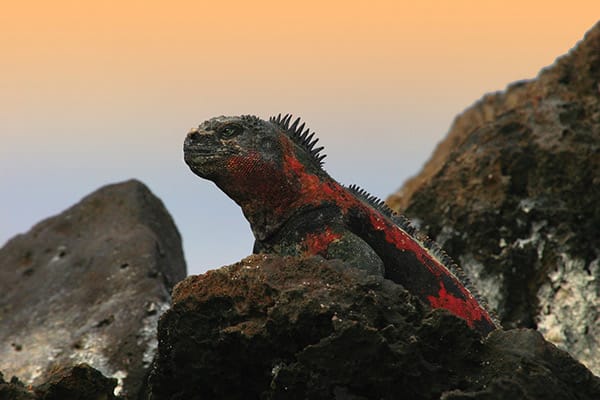
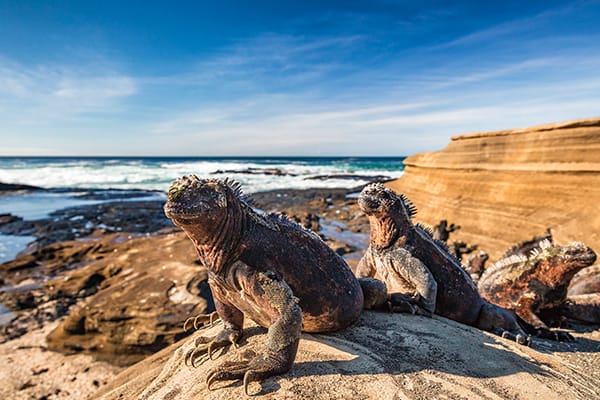
During the six-day cruise to the western islands, explore Fernandina Island. This extremely fragile area is home to a volcano and large colonies of marine iguanas. Opt for the six-day southern route, and you will stop at Española Island, where you may be lucky enough to see the mating dance of the blue-footed boobies. Whichever itinerary you select, you will witness natural beauty that few are privileged to see.

Extra Fun From The M/C Eco Galaxy Catamaran Galapagos

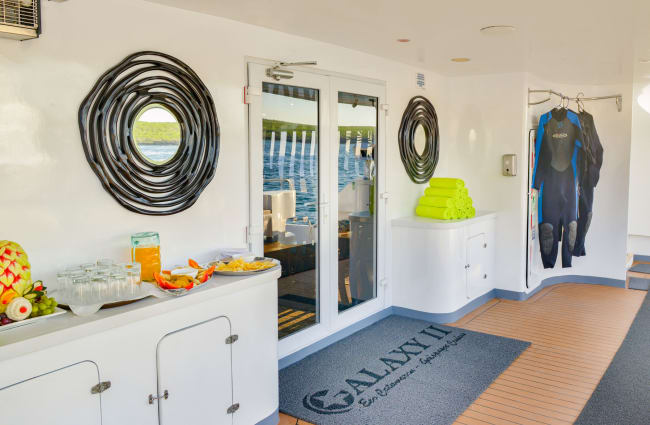
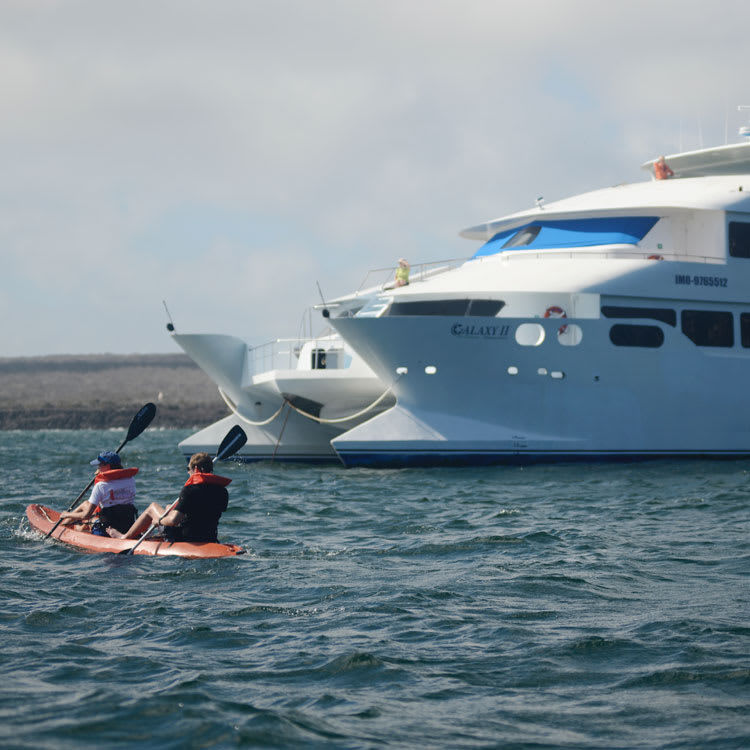
The crew of the M/C Eco Galaxy is determined to ensure your holiday is filled with every eco-adventure you desire. On top of two daily excursions, the ship is packed with equipment to fuel your fun in the sun. Snorkeling gear, wet suits, paddleboards, and kayaks are all at your fingertips. Not only will you have bonus adventures, but there’s also no need to lug your personal snorkel and mask in your luggage.

Between chic accommodations and leisurely adventures, there is so much to enjoy. This boat pulls out all the stops, so there is an app to organize all your itineraries, educational information about the area, and a selection of movies and books to enjoy onboard. They really have thought of everything!

Itineraries & Prices

All itineraries are subject to change due to seasonal weather conditions (and resultant variations in river and tributary water levels) affecting accessibility to locations. Thus navigation routes, times and excursions may need to be modified at the cruise captain’s or your guide's discretion.
1 / 3
5-Day A
6-Day B
6-Day C

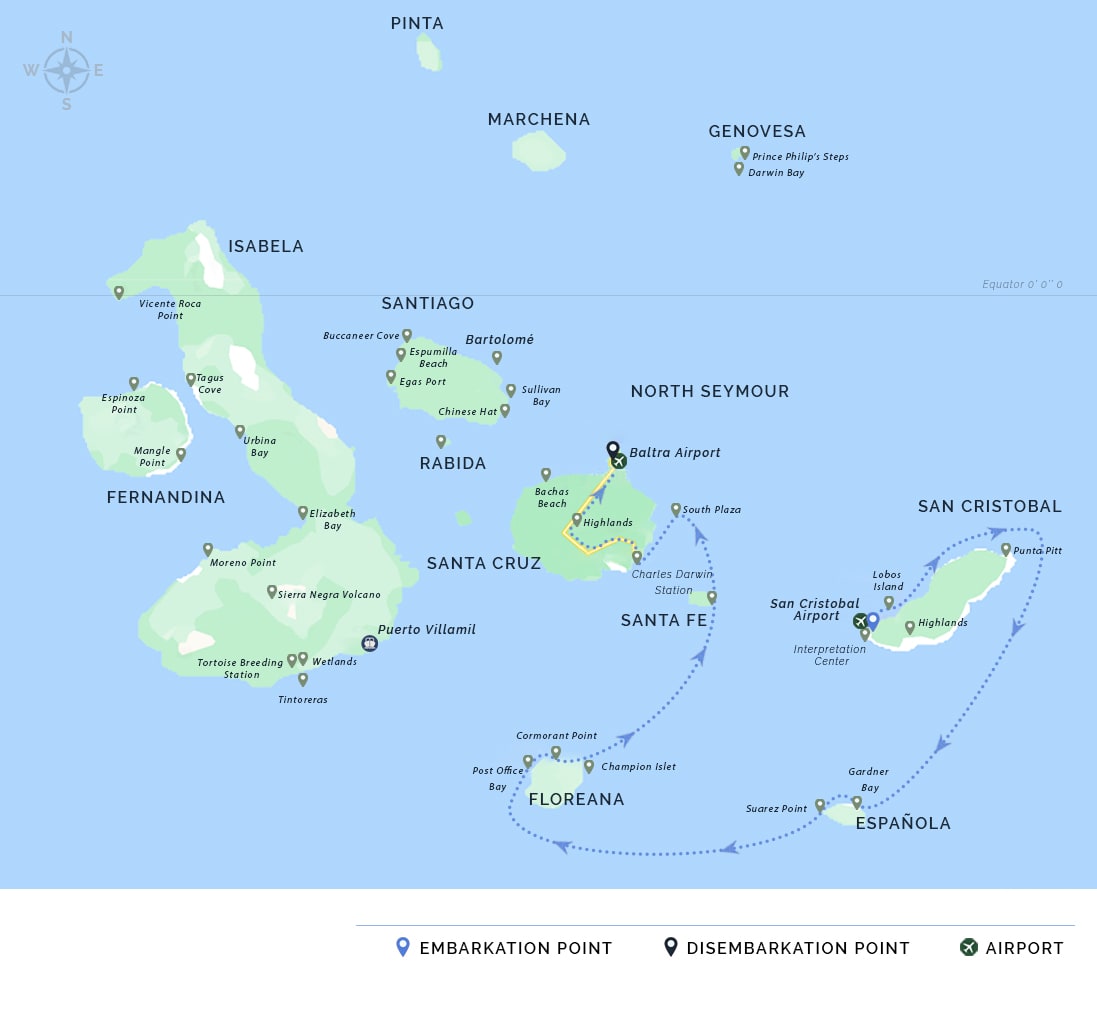
5 Day - Northern Islands

itinerary map

Embarkation

AM: Embark on an unforgettable journey to the Galapagos Islands, where nature thrives in its purest form. Your adventure begins at San Cristobal’s modest yet bustling airport, where a seasoned naturalist guide will greet you. This guardian of the ecosystem will introduce you to a world of breathtaking landscapes and unparalleled biodiversity. Feel the excitement as you step into this living sanctuary, a UNESCO World Heritage site, marking the beginning of an extraordinary exploration.

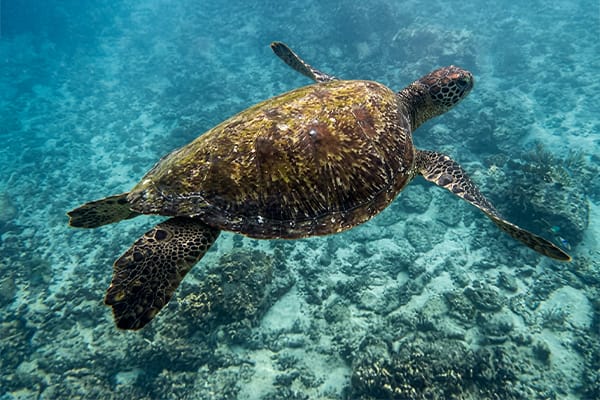
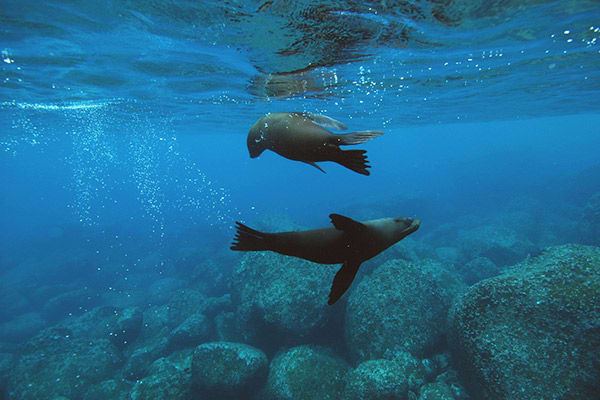
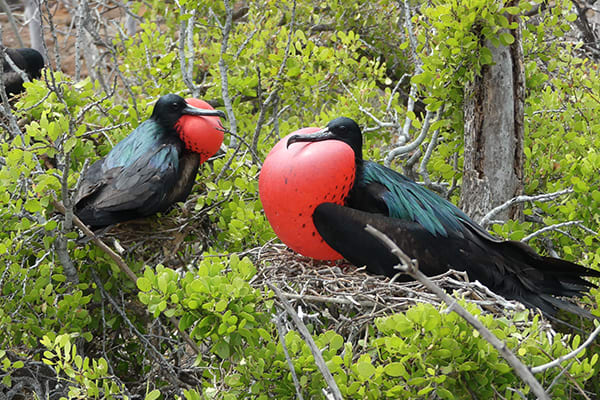
PM: Lobos Island, a small islet near San Cristóbal, offers an unforgettable wildlife experience. Upon landing, groups of sea lions will greet you as they play in tidal pools. Walking inland, you’ll spot frigatebirds perched in bushes, displaying their inflated red pouches, while blue-footed boobies nest along the trail, performing their iconic courtship dance. In the calm waters, snorkeling provides an incredible opportunity to swim with playful sea lions, while sea turtles and rays rest on the sandy bottom.

Eco Galaxy’s 5-Day Itinerary Day One - Embarkation.
Location
San Cristobal - Lobos
Day
1 / 5

Gardner Bay & Suarez Point

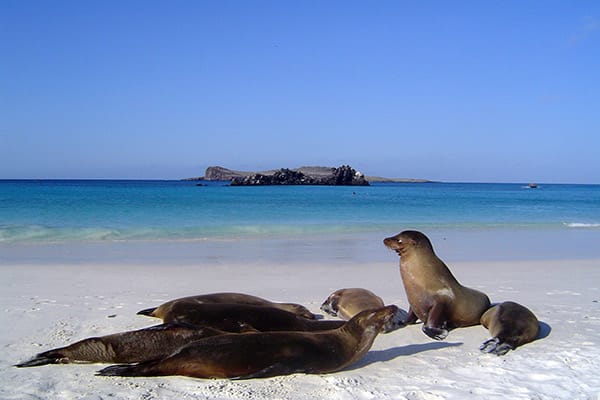
AM: Gardner beach is undoubtedly one of the most beautiful and interesting beaches to visit in the Galapagos. Its fine coral sand and turquoise water give it a totally tropical appearance, which contrasts with the presence of sea lions basking in the beach. You will have the opportunity to walk along the beach and learn about the biology of sea lions and other endemic species, such as the Española mockingbird, marine iguanas and Galapagos hawks.

PM: This rocky trail is one the most amazing nature walks you can do in the Galapagos islands. From the moment you set foot on the island and all the way along the trail the amount and diversity of fauna is truly amazing. Sea lions and marine iguanas will be the first ones welcoming us, followed by large colonies of sea birds, including Nazca and Blue-footed boobies, gulls and tropicbirds. At the end of the trail we will visit a colony of waved albatross (April to January), the largest bird in the islands and one of the most interesting because of its powerful flight and elaborate courtship. Waved albatross only nest at Española, so this is the only place where you will see them at close range.

Eco Galaxy’s 5-Day Itinerary Day Three - Sea Lion Colony.
Location
Española Island
Day
2 / 5

Post Office Bay & Cormorant Point

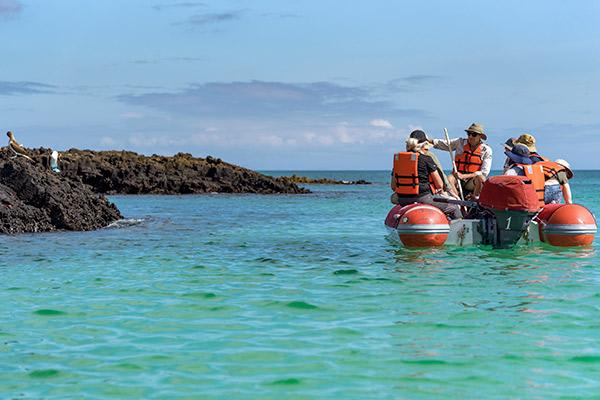
AM: Floreana is famous for the tales of German settlers and the baroness during the late 1920’s and 30 ‘s. Assassinations, disappearances and other unsolved mysteries are the ingredients of this fascinating story. Post office bay was often used by whalers to anchor their ships and go up to the highlands to get freshwater and tortoises. Most boats visiting the Galapagos had to came to this place sooner or later, so a system of mail was established more than 200 years ago: a barrel near the beach became the way to leave messages to other ships and also to the outside world. This mail system is still in use and will allow you to send postcards from the Galapagos to the outside world. Aside from a small beautiful beach, the area is great for dinghy tours to look for sea lions, green sea turtles, shorebirds, small sharks and, with some luck, Galapagos penguins.

PM: Punta Cormorant is located in the north of Floreana and it is known for its large coastal lagoon with American flamingos, white-cheeked pintails, black-necked stilts and other shorebirds. There is a beautiful white sand beach which is an important nesting ground for green sea turtles where we can also see rays and reef sharks. In recent years, a small group of blue footed boobies have started to breed right by the trail. This is also a great trail dayto look at endemic plants.

Eco Galaxy’s 5-Day Itinerary Day Four - Frigate Birds.
Location
Floreana Island
Day
3 / 5

Santa Fe & South Plaza

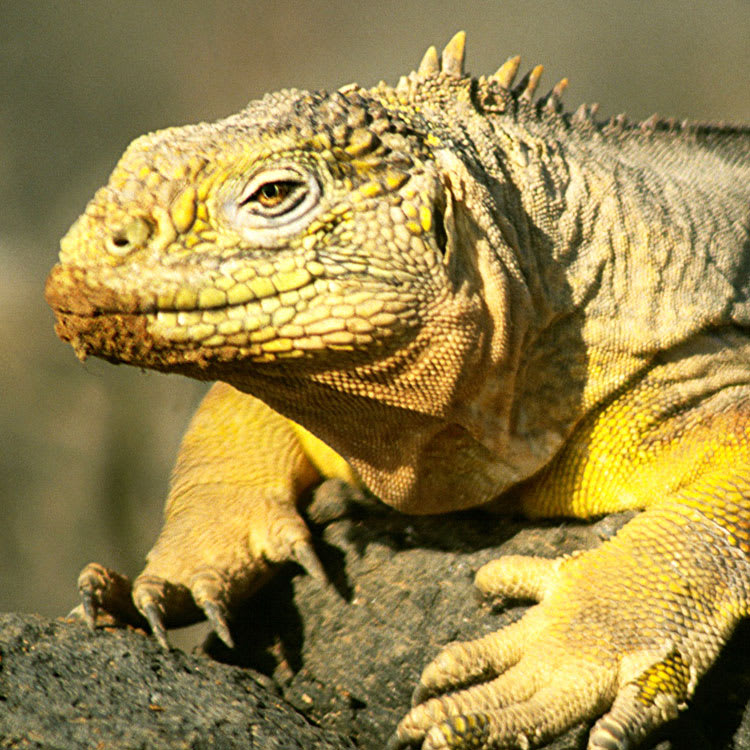
AM: Santa Fe Island, nestled in one of the most stunning bays in the Galapagos, boasts towering prickly-pear cacti and ancient lava formations. Its white-sand beach and turquoise waters are home to a large sea lion colony basking under the sun. As you follow the trail, look for the endemic Santa Fe land iguana and, if lucky, a Galapagos hawk perched atop a cactus scanning for prey. Along the way, Darwin’s finches, Galapagos doves, mockingbirds, and lava lizards are commonly seen, making this hike a true wildlife experience.

PM: Of the twin islands, only South Plazas is open to visitors, while North Plazas remains a scientific research site. Despite its small size, South Plazas is teeming with wildlife. Upon landing, you will find land iguanas lounging beneath Opuntia cacti, waiting for fallen fruit. A large sea lion colony dominates the shore, where playful pups explore tide pools while massive bulls defend their territory. The trail leads to a dramatic cliffside, offering breathtaking ocean views where frigatebirds, blue-footed boobies, red-billed tropicbirds, and swallow-tailed gulls soar. A blanket of reddish succulents covering the island adds to its striking beauty.

Eco Galaxy - Northern Islands
Location
Santa Fe - South Plaza
Day
4 / 5

Disembarkation

AM: The Charles Darwin Station is a nonprofit organization which has been working for decades together with the Galapagos National Park to preserve the biodiversity of these unique islands. During this visit you will learn about the projects that both institutions carry together to protect the native species and eradicate the invasive ones which are threatening the Galapagos environment. One of the most important and emblematic projects has been reproducing giant tortoises in captivity. The visit is mostly outdoors in a beautiful dry native forest with giant cactus and many other interesting native plants. It is also a fantastic place to find several endemic Darwin finches, as well as flycatchers and mockingbirds.

PM: Your Galapagos adventure comes to an end. Today, you will be transferred to Baltra Airport, where your National Park naturalist guide will assist you with final details before your flight back to mainland Ecuador. As you bid farewell to this paradise, take with you the unforgettable memories of one of the world’s most extraordinary destinations.

Eco Galaxy’s 5-Day Itinerary Day Five - Disembarkation.
Location
Santa Cruz
Day
5 / 5
1 / 5

6 Day - Western Islands

itinerary map

Embarkation

AM: Welcome to Galapagos! Upon arrival at Baltra Airport, your naturalist guide will greet you and assist with the transfer to Itabaca Channel. This initial journey offers your first connection with the archipelago as you take a short ferry ride to Santa Cruz Island. Along the way, observe Baltra’s arid landscape and learn about its history as a former U.S. WWII airbase. This is just the beginning of the many fascinating stories awaiting you on your adventure.

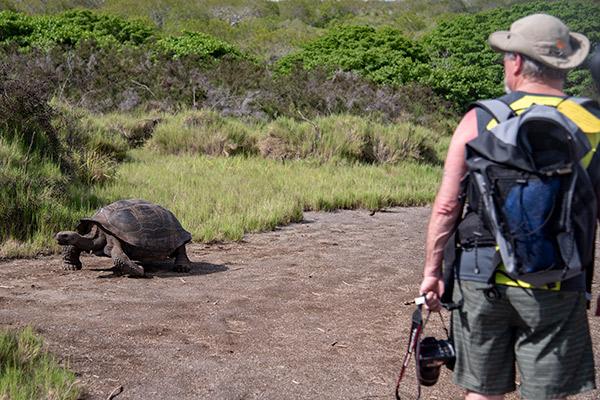
PM: Embark on a pleasant journey into the verdant highlands, where a bus ride leads you through lush forested landscapes home to Galapagos Giant Tortoises. These impressive creatures, reaching up to 300 kg/600 lbs, can often be seen peacefully grazing or resting in freshwater ponds. The highlands are also home to a variety of bird species rarely found in the lowlands. Depending on your itinerary, you may have the opportunity to visit a lava tunnel and learn about the volcanic forces that shaped these remarkable islands.

Eco Galaxy’s 6-Day Itinerary B Day One - Embarkation.
Location
Baltra - Santa Cruz
Day
1 / 6

Moreno Point & Elizabeth Bay

AM: Moreno Point is a magical place with extensive lava fields which look lifeless at first sight. Once inland, scattered brackish lagoons form an oasis of life where you can find flamingos, gallinules, ducks and herons. Along the shore we will look for penguins, marine iguanas, flightless cormorants, blue-footed boobies, sea lions, oystercatchers and other shore birds.

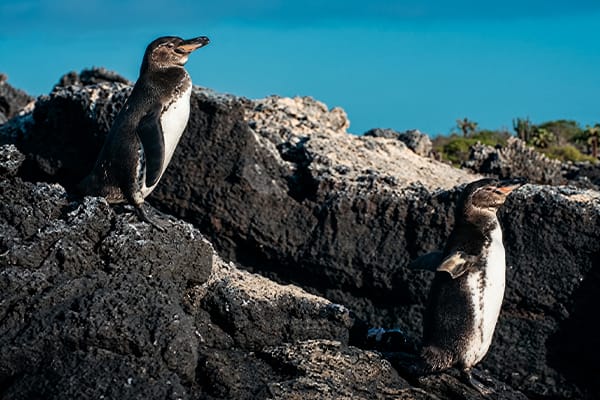
PM: Elizabeth Bay is a beautiful sheltered bay surrounded by large mangroves and barren lava fields. There is no trail here so you will take a dinghy tour to explore many channels, pools and coves teeming with life. This is one of the best locations in the islands to see Galapagos penguins, but don’t expect to see thousands of them, as the entire population of the islands is only about 3.000 of them. Flightless cormorants also nest in the area and blue-footed boobies and pelicans often fish in these shallow and rich waters. Rays and sea turtles are also very abundant.

Eco Galaxy’s 6-Day Itinerary B Day Two - Marine Iguana Sighting.
Location
Isabela Island
Day
2 / 6

Urbina Bay & Tagus Cove

AM: This place is known for the dramatic uplifting that happened here during the 1950’s. A large portion of the coast was pushed up, exposing many hectares of previously submerged land. Look carefully along the trail and you will find small shells and corals, a proof that the area was underwater more than sixty years ago. The trail will give the opportunity to see land iguanas and, during certain seasons, giant tortoises. Galapagos hawks nest in the area and are often seen flying or perched on the trees.

PM: Tagus Cove is steeped in history, once visited by Charles Darwin during his Galapagos exploration. A scenic trail winds through dry Palo Santo forests, where Darwin’s finches and mockingbirds can be spotted. At the top, breathtaking views of Lake Darwin and Isabela’s towering volcanoes await. A boat tour along the shore provides a chance to observe Galapagos penguins, flightless cormorants, marine iguanas, and the elusive Galapagos martin, one of the rarest and most endangered birds in the archipelago.

Eco Galaxy’s 6-Day Itinerary B Day Three - Panga Ride.
Location
Isabela Island
Day
3 / 6

Espinoza Point & Albermarle Point

AM: Located at the base of an imposing volcano (the most active in the Galapagos islands) this site is one of the jewels of the Galapagos National Park. As soon as you disembark you will be surrounded by hundreds of marine iguanas, as this is the largest colony for the species. Sea lions bask in the beaches while their pups play in tide pools. Along the shore you will see flightless cormorants, which are restricted to the western areas of the archipelago. Surrounded by cold plankton-rich waters, Punta Espinosa is home for an array of species, including herons, pelicans, oystercatchers, sea turtles, shorebird and many more. Look up in the mangroves as Galapagos hawks often perch to look for their prey.

PM: In the afternoon, visit Albemarle Point, where military history meets Galapagos wildlife. During WWII, the U.S. built a radar base here to monitor potential Japanese threats, and remnants of this structure remain visible today. Despite its stark, lava-covered landscape, the coastline is rich in wildlife. Some of the largest marine iguanas in the archipelago reside here, alongside Galapagos penguins, flightless cormorants, and various shorebirds, making this a fascinating blend of history and nature.

Eco Galaxy - Western Islands
Location
Fernandina - Isabela
Day
4 / 6

Egas Port & Esppumilla Beach

AM: Puerto Egas is a fascinating destination where history and wildlife intertwine. While there is no actual port, remnants of 1960s colonization attempts still stand. The coastal trail is teeming with marine iguanas basking in the sun and sea lions resting on the rocks. Herons, oystercatchers, and shorebirds complete this thriving ecosystem. Towards the end of the trail, the grottos are home to a small colony of the elusive Galapagos fur seal. Additionally, land iguanas were reintroduced to the island in 2019 after over a century of absence.

PM: Espumilla Beach, on Santiago’s northern coast, is a stunning one-kilometer stretch of rusty-brown sand. Surrounded by mangroves and dry forest, it hosts Galapagos hawks, finches, and mockingbirds, while flamingos and ducks may appear in the salt pan during the rainy season. Then, at Buccaneer Cove, discover a historic pirate hideout from the 17th and 18th centuries. Towering cliffs and striking rock formations create a breathtaking landscape. Although there's no trail, a dinghy ride offers a unique chance to observe wildlife and delve into the archipelago's history.

Eco Galaxy - Western Islands
Location
Santiago Island
Day
5 / 6

Disembarkation

AM: Explore one of the two remarkable sites in Galápagos: Dragon Hill on Santa Cruz, where land iguanas roam and flamingos gather at a saltwater lagoon, and Daphne Major, home to nesting seabirds and groundbreaking finch evolution research. Both offer unique, unforgettable wildlife experiences.

PM: Your Galapagos adventure comes to an end. Today, you will be transferred to Baltra Airport, where your National Park naturalist guide will assist you with final details before your flight back to mainland Ecuador. As you bid farewell to this paradise, take with you the unforgettable memories of one of the world’s most extraordinary destinations.

Eco Galaxy’s 6-Day Itinerary B Day Six - Disembarkation.
Location
Santa Cruz - Baltra
Day
6 / 6
1 / 6

6 Day - Eastern & Central Islands

itinerary map

Embarkation

AM: Welcome to Galapagos! Upon arrival at Baltra Airport, your naturalist guide will greet you and assist with the transfer to Itabaca Channel. This initial journey offers your first connection with the archipelago as you take a short ferry ride to Santa Cruz Island. Along the way, observe Baltra’s arid landscape and learn about its history as a former U.S. WWII airbase. This is just the beginning of the many fascinating stories awaiting you on your adventure.

PM: Black Turtle Cove gets its name from the abundance of green sea turtles, locally known as: “tortugas negras”. There is no landing here so you will be doing a boat tour on the dinghies, exploring shallow channels and small coves surrounded by beautiful mangrove forests. Reef sharks, sea turtles and several species of rays inhabit this beautiful area which is considered an important mating area for turtles and a nursery for several species of sharks. Herons, pelicans and boobies are also common here as they pray in schools of anchovies.

Eco Galaxy - Eastern & Central Islands
Location
Baltra - Santa Cruz
Day
1 / 6

Chinese Hat & Rabida Island

AM: Named for its distinctive cone shape, Chinese Hat is a small islet separated from Santiago by a narrow channel, forming one of Galapagos’ most picturesque bays. Its turquoise waters, coral-sand beaches, and volcanic rocks create a stunning landscape. A coastal trail leads you through a sea lion colony, while on the lava rocks, you may spot penguins resting. This site perfectly blends breathtaking scenery with Galapagos’ remarkable wildlife, making for an unforgettable experience.

PM: Rabida is a small island famous for its reddish lava rocks (rich in iron) which gives it a unique look. The beach is also red and hosts a small colony of sea lions. There is a small salt water lagoon where we will see ducks and stilts and sometimes flamingoes. The trail will take you inland to get beautiful views of the beach and the lagoon. Look for Darwin finches, flycatchers and mockingbirds. In the cliffs along the coast you can find Nazca and blue-footed boobies, brown noddy, herons and the two species of sea lions: Galapagos and fur seals.

Eco Galaxy’s 6-Day Itinerary C Day Two - Snorkelling with Sea Lions.
Location
Rabida Island
Day
2 / 6

North Seymour & Highlands

AM: This island is home for large colonies of both magnificent and great frigatebirds and you can see them displaying their red balloons to attract a female. Blue-footed boobies nest in the ground and perform their famous dance in the open areas, while swallow-tailed gulls perch on the cliff edges. Land iguanas are common inland while their marine cousins bask in the rocks by the sea, close to sea lions, which often like to body surf in the waves.

PM: Embark on a pleasant journey into the verdant highlands, where a bus ride leads you through lush forested landscapes home to Galapagos Giant Tortoises. These impressive creatures, reaching up to 300 kg/600 lbs, can often be seen peacefully grazing or resting in freshwater ponds. The highlands are also home to a variety of bird species rarely found in the lowlands. Depending on your itinerary, you may have the opportunity to visit a lava tunnel and learn about the volcanic forces that shaped these remarkable islands.

Eco Galaxy - Eastern & Central Islands
Location
Seymour - Santa Cruz
Day
3 / 6

Barranco & Darwin Bay

AM: El Barranco is located in the southern part of Darwin Bay at Genovesa Island. The cliffs facing the sea are made of very fragile fractured lava, making it the ideal place for storm petrels to build their colonies, which attracts an important population of short-eared owls preying on the nesting birds. Red footed and Nazca boobies are abundant along the trail. At the base of the cliffs you can see Galapagos fur seals resting in shaded areas, as well as several species of seabirds.

PM: Genovesa is a favorite island for birdwatchers as it is home for very large colonies of seabirds. From the minute you set foot at the beach you will be amazed by the noise of hundreds of boobies, gulls and frigatebirds flying over your heads, perched in the bushes or nesting on the sandy terrain. The trail is an ultimate wildlife experience as there are animals everywhere; sea lions and marine iguanas near the sea; night herons, lava and swallow tailed gulls, Darwin finches, Galapagos doves, mockingbirds and many more species inland.

Eco Galaxy - Eastern & Central Islands
Location
Genovesa Island
Day
4 / 6

Sullivan Bay & Bartolome

AM: This hike is a journey into understanding the birth of these volcanic islands. You will walk in a very well preserved flow of Pahoehoe lava, which will give you endless opportunities to see the delicate textures of these types of lavas which only appear in a few places throughout the world. At first sight the barren landscape looks completely deprived of life, but look carefully for pioneer plants, lava lizards and small birds. By the shore, you can find penguins, pelicans and oystercatchers.

PM: Bartolome is one of the most iconic islands in Galapagos, renowned for its dramatic volcanic landscape and the famous Pinnacle Rock. Nestled beside a peach-colored sand beach, this island is one of the few places where you can spot penguins without traveling to remote Isabela and Fernandina. The hike to the summit offers breathtaking views of a lunar-like terrain dotted with volcanic cones, with stunning panoramas of Sullivan Bay and Pinnacle Rock. From the top, the vast beauty of the archipelago unfolds before you, creating a truly unforgettable experience.

Eco Galaxy’s 6-Day Itinerary C Day Four - Galapagos Pelican Sighting
Location
Santiago - Bartomole Islands
Day
5 / 6

Disembarkation

AM: Located in the outskirts of Puerto Baquerizo, this center is dedicated to the history of human presence in the Galapagos. Since the times of the early Spanish explorers to the present times, including illustrious visitors such as Charles Darwin, this permanent exhibition will take you through the dangers and struggles of the first settlers trying to survive the harsh Galapagos environment.

PM: After exploring the breathtaking biodiversity and unique landscapes of the Galapagos, it’s time to return to mainland Ecuador. You’ll be transferred to the airport, bringing this unforgettable journey to a close. Every encounter with giant tortoises, blue-footed boobies, and volcanic landscapes will remain etched in your memory. Galapagos is not just a destination—it’s a transformative experience that will stay with you forever. Wishing you a wonderful journey back!

Eco Galaxy’s 6-Day Itinerary C Day Six - Disembarkation.
Location
San Cristobal
Day
6 / 6
1 / 6

Accommodations

Social Areas

Aft
Bar
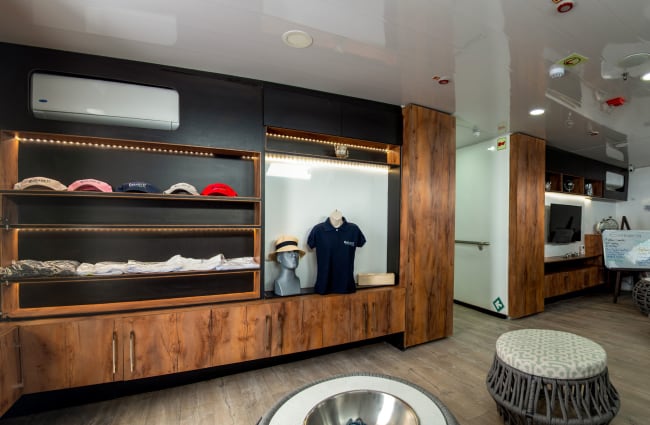
Boutique
Dinning
Entertainment
Entrance
Happy Hour
Lecture Lounge
Map Room
Meals
Observation Deck
Sundeck
People looking at sunset
Indoor bar
Boutique onboard
Dinning room
Entertainment room
Entrance door
Ladies with drinks
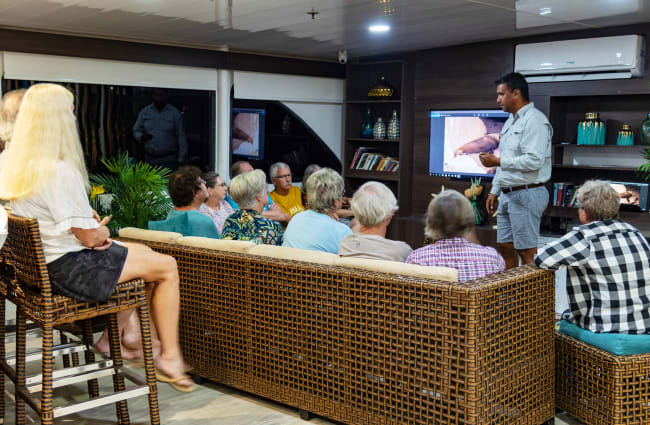
People listening to the Lecture
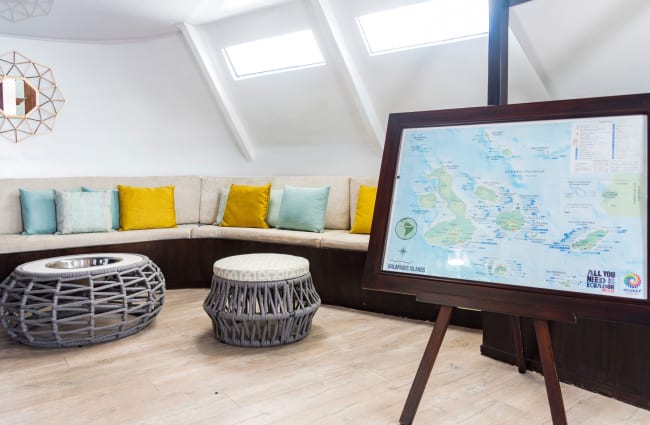
Large map on display
People sharing a meal
Observation Sun Deck
Sundeck

Suites & Cabins

Eco Galaxy's Stateroom - Honeymoon. Eco Galaxy's Stateroom - Bathroom. Eco Galaxy's Stateroom - Bathroom. Eco Galaxy's Stateroom - Bathroom. Eco Galaxy's Stateroom - Bathroom Amenities. Eco Galaxy's Stateroom - Twin. Eco Galaxy's Stateroom - Twin. Eco Galaxy's Stateroom - Double. Eco Galaxy's Stateroom - Double. Eco Galaxy's Stateroom - Double. Eco Galaxy's Stateroom - Twin. Eco Galaxy's Stateroom - Twin. Eco Galaxy's Stateroom - Twin. Eco Galaxy's Stateroom - Triple. Eco Galaxy's Stateroom - Triple. Eco Galaxy's Stateroom - Honeymoon. Eco Galaxy's Stateroom - Double.
8 Cabins

Stateroom

Guests
2 - 3
Size
20-22m² / 215-236 ft²
Beds
Double / Twin

These air-conditioned cabins feature large wardrobes, a telephone for internal communications, and a safe bathrobe. The hot shower bathrooms come with great amenities, including an eco-friendly shampoo, body wash, and a hairdryer. For large traveling families or friends, you can choose adyacent cabins.

Technical Information

Deck Plan
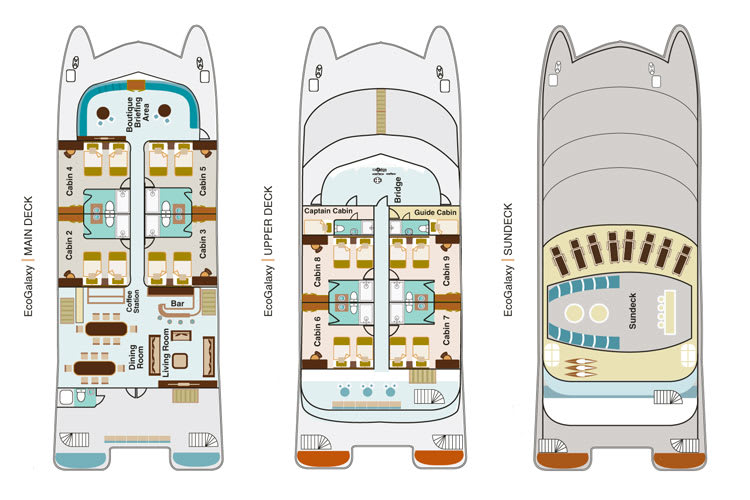
Eco Galaxy deck plan

Features

  • Air conditioning
  • WIFI available

Equipment

  • Snorkeling gear
  • Wetsuits
  • Stand up paddleboard
  • Kayaks / Canoes
** Use of certain equipment at additional cost, ask for details
As Featured In