
Responsible Travel
Responsible travel is paramount to Rainforest Cruises. As a member of Sustainable Travel International, a non-profit organization dedicated to protecting and conserving our planet’s most vulnerable destinations, we are part of a global movement of conscientious travel enthusiasts passionate about making a difference and giving back to the destinations we visit, working to combat climate change and empower local communities to preserve their cultural integrity and safeguard natural habitats and wildlife.
With many years’ first-hand experience of ecotourism in South America and Southeast Asia, our cruises and tours have been designed to be not only culturally interesting and engaging natural experiences, but to be ecologically sensitive too, raising awareness of conservation issues in their locations and contributing to their preservation. By making informed travel decisions you too can lessen your personal footprint and contribute to conservation, not only by choosing Rainforest Cruises for your vacation, but with the help of some simple tips about traveling responsibly that can be found below.
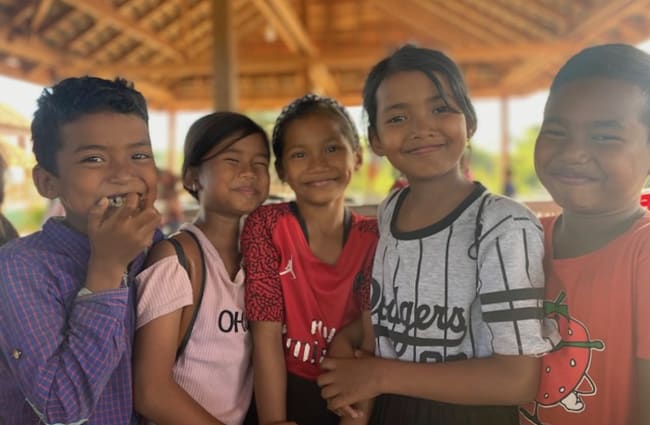
An Ecotourism Ethos
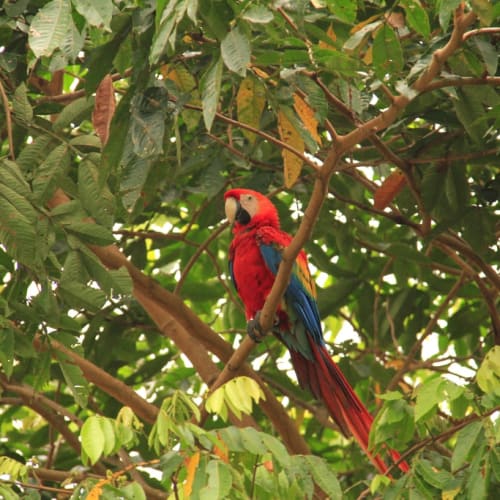
As members of the International Ecotourism Society, we are advocates for making tourism a viable tool for conservation, protection of bio-cultural diversity, and sustainable community development.
By embarking on a journey with Rainforest Cruises you will be supporting local indigenous communities and contributing to the preservation of the rainforests that they call home.
How To Travel Responsibly & Sustainably
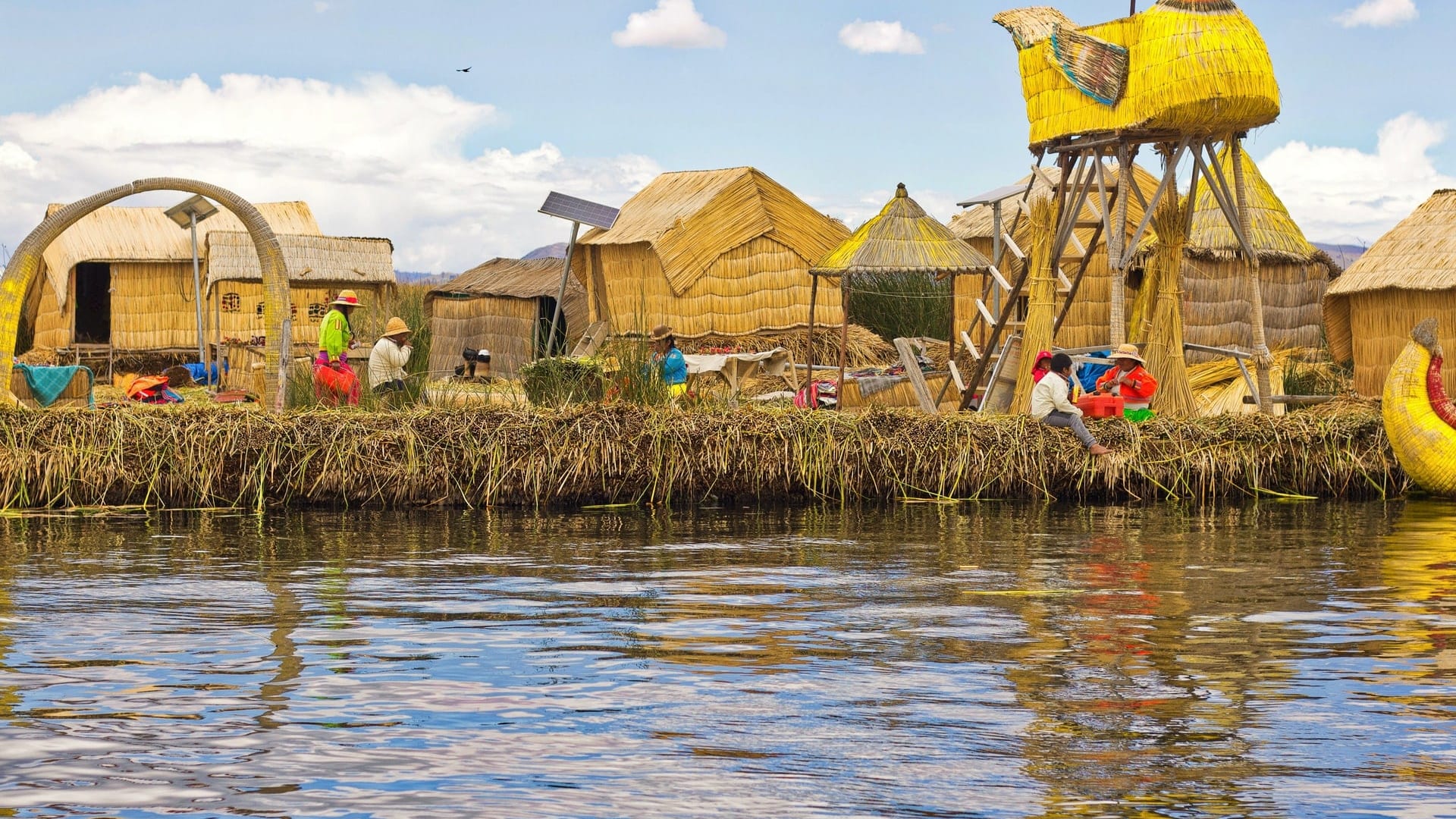
Respect & Preserve Cultures
Travel provides an unparalleled opportunity to learn about and celebrate other cultures. As a traveler, your actions can play an important role in preserving them, but a lack of awareness and respect can lead to harmful cultural homogenization, community hostility, and degraded heritage sites.
- Take your cue from locals and observe local standards of dress and food etiquette to avoid offense.
- Be aware of cultural communication sensitivities, make an effort to learn and use some of the local language, and be aware many gestures have different meanings in other cultures which can sometimes be offensive.
- Respect and celebrate traditions, whether it be participating in authentic cultural experiences when invited, or understanding and respecting the significance of sacred or religious sites, following visitor guidelines and not touching artifacts.
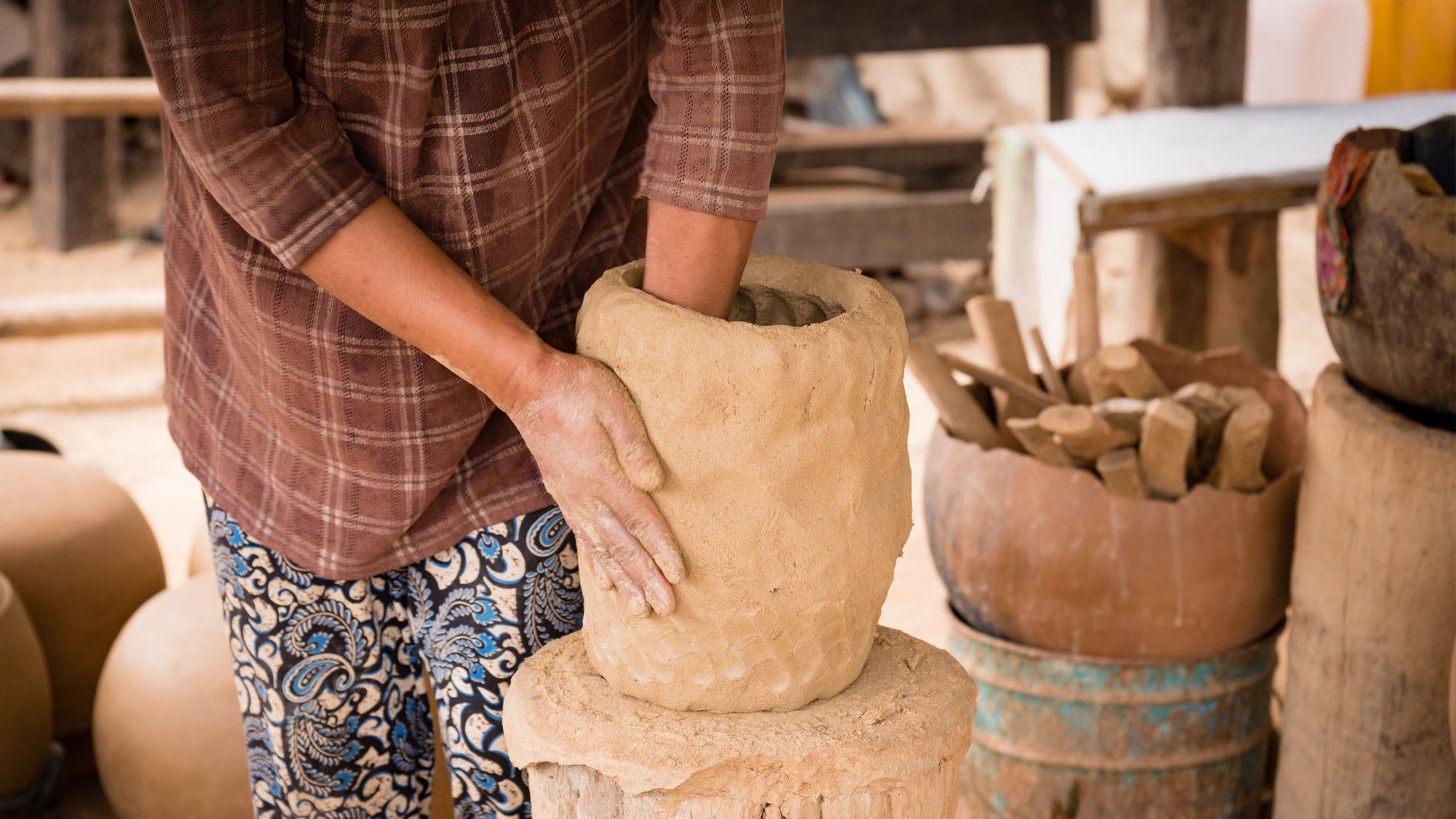
Support Local People
Tourism has a powerful potential to improve local well-being, create opportunities for underserved communities, and support sustainable development, but only if the money you spend ends up in the hands of local people and benefits host communities in the places you visit.
- Buy locally made handicrafts to encourage the preservation of cultural heritage and support the local economy.
- Bargain respectfully and pay a fair price. Remember cents to you may provide an entire family’s meal.
- Eat locally with meals made from local ingredients. You’ll not only get fresh produce, but support local farmers too.
- Treat locals with respect and dignity. Remember they are not tourism objects, and ask permission to take photos.
- Avoid giving money or candies to children or beggars, as this can foster dependency and lead to more begging.
- Cruise with companies that give back to local communities, employing residents, supporting artisans and farmers, and delivering much needed school and medical supplies and treatment to remote regions.
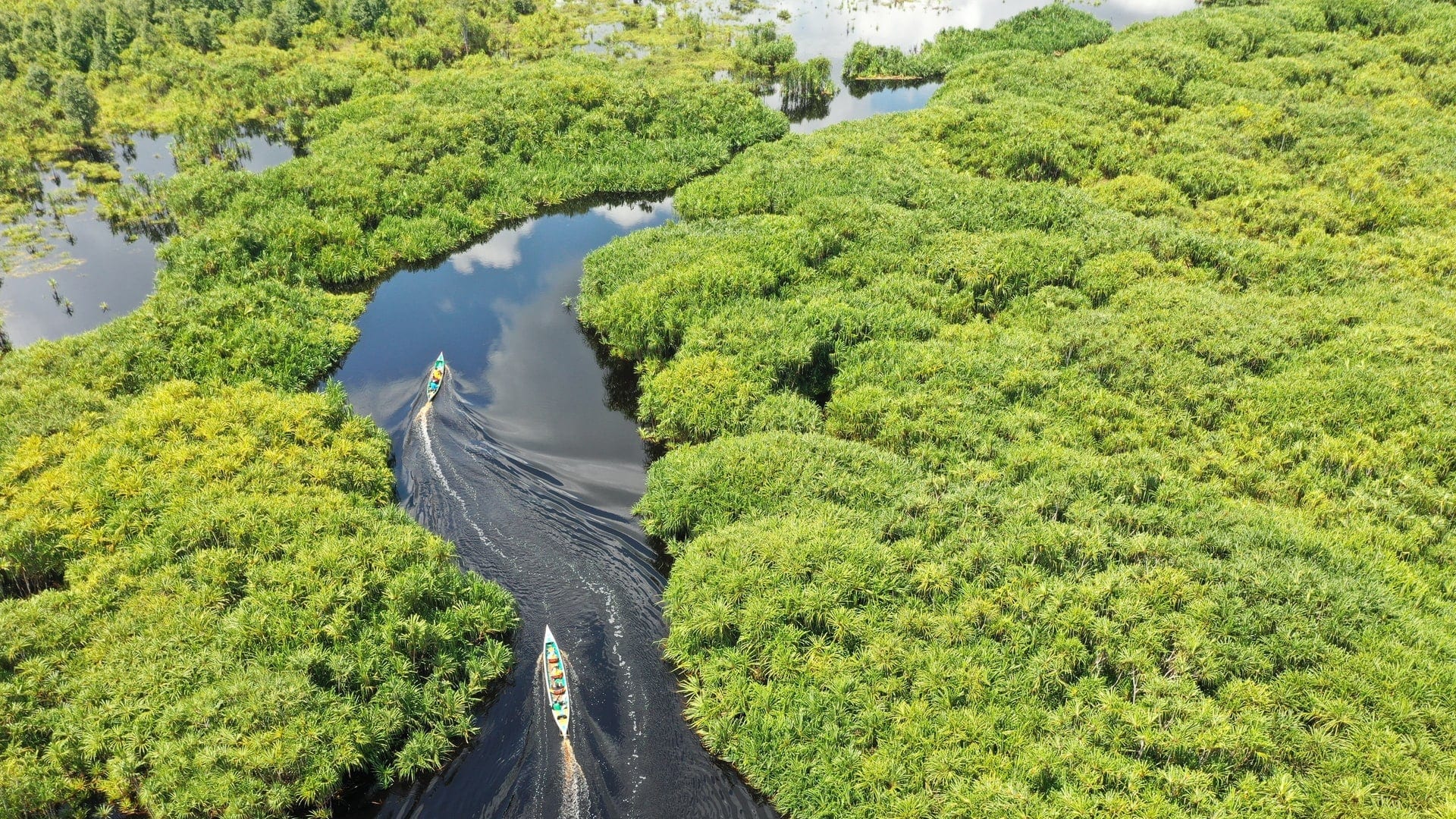
Conserve Natural Environments
Visiting the planet’s biodiversity hotspots has the unique potential to spur environmental responsibility and support conservation, but if travelers don’t take care to protect their natural surroundings, their vacation can cause lasting harm to fragile land and marine ecosystems.
- Visit protected areas as your fees will directly support local conservation efforts and responsible visits to sensitive ecosystems can initiate support for protecting new areas.
- Obey rules and regulations for the protection of the environment, wildlife, local communities, and your own safety.
- Hire local guides to get a better understanding of what you see and to boost the local economy.
- Leave no trace, stay on designated nature trails and avoid causing damage to the surrounding environment.
- Look for businesses that carry credible, third-party certifications and walk the ‘eco- friendly’ talk.
- Conserve natural resources, such as using air-conditioning and hot water only when necessary.
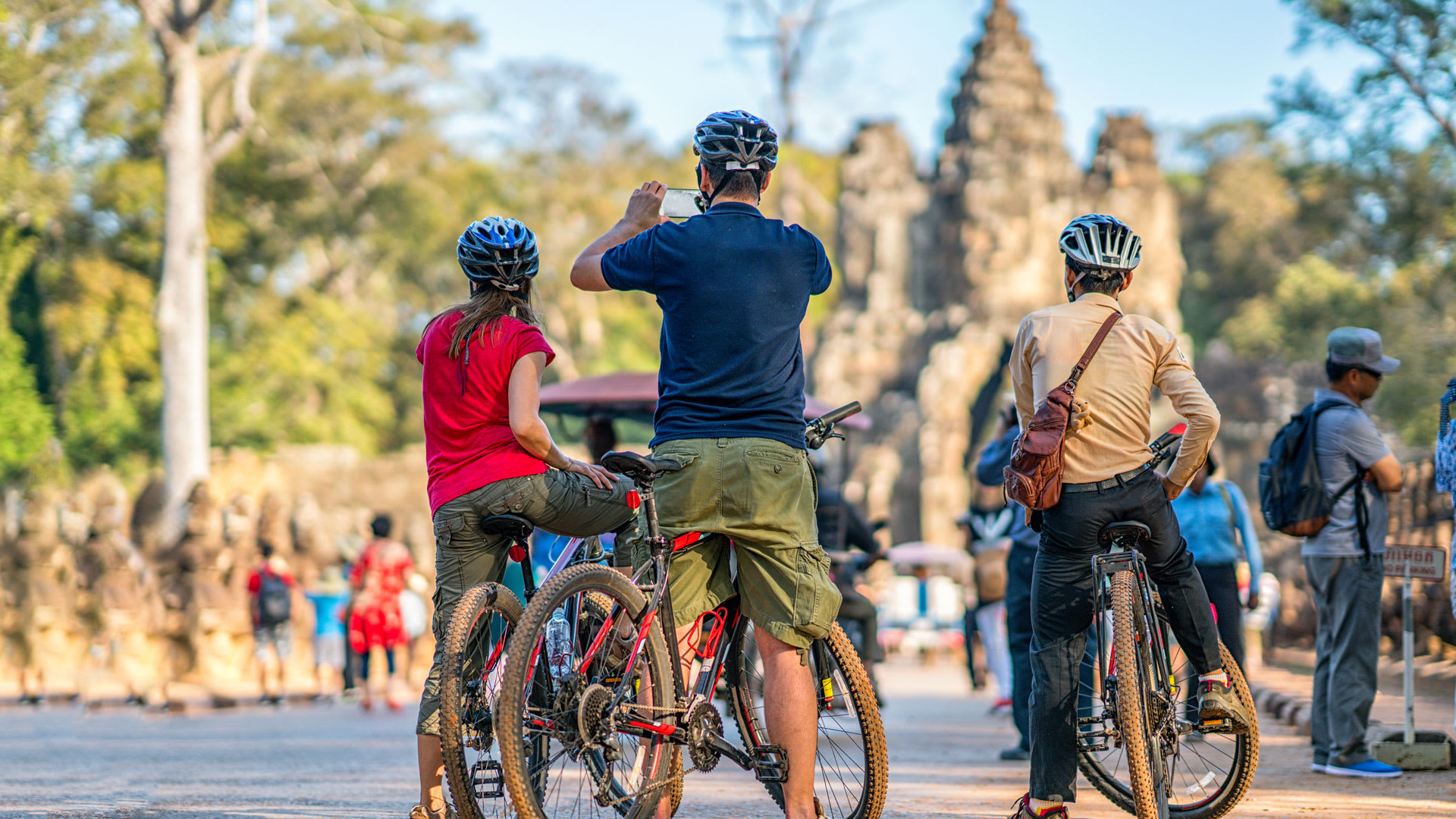
Minimize Waste & Pollution
The earth’s resources are precious, yet we continue to create excess waste and pollution. Tourism tends to exacerbate these issues, particularly in small islands and developing destinations which lack sufficient waste management infrastructure and are highly vulnerable to climate change.
- Avoid disposable plastic products and support the Travelers Against Plastic campaign. Make a habit of requesting no straws; bring a reusable water bottle and purifier to filter your own water; and refuse plastic shopping bags.
- Don’t litter and dispose of waste properly, recycling when possible.
- Fly less and smart, pack as light as possible, take the most direct route possible and offset your emissions.
- Participate in active travel experiences like exploring on foot or by bicycle.
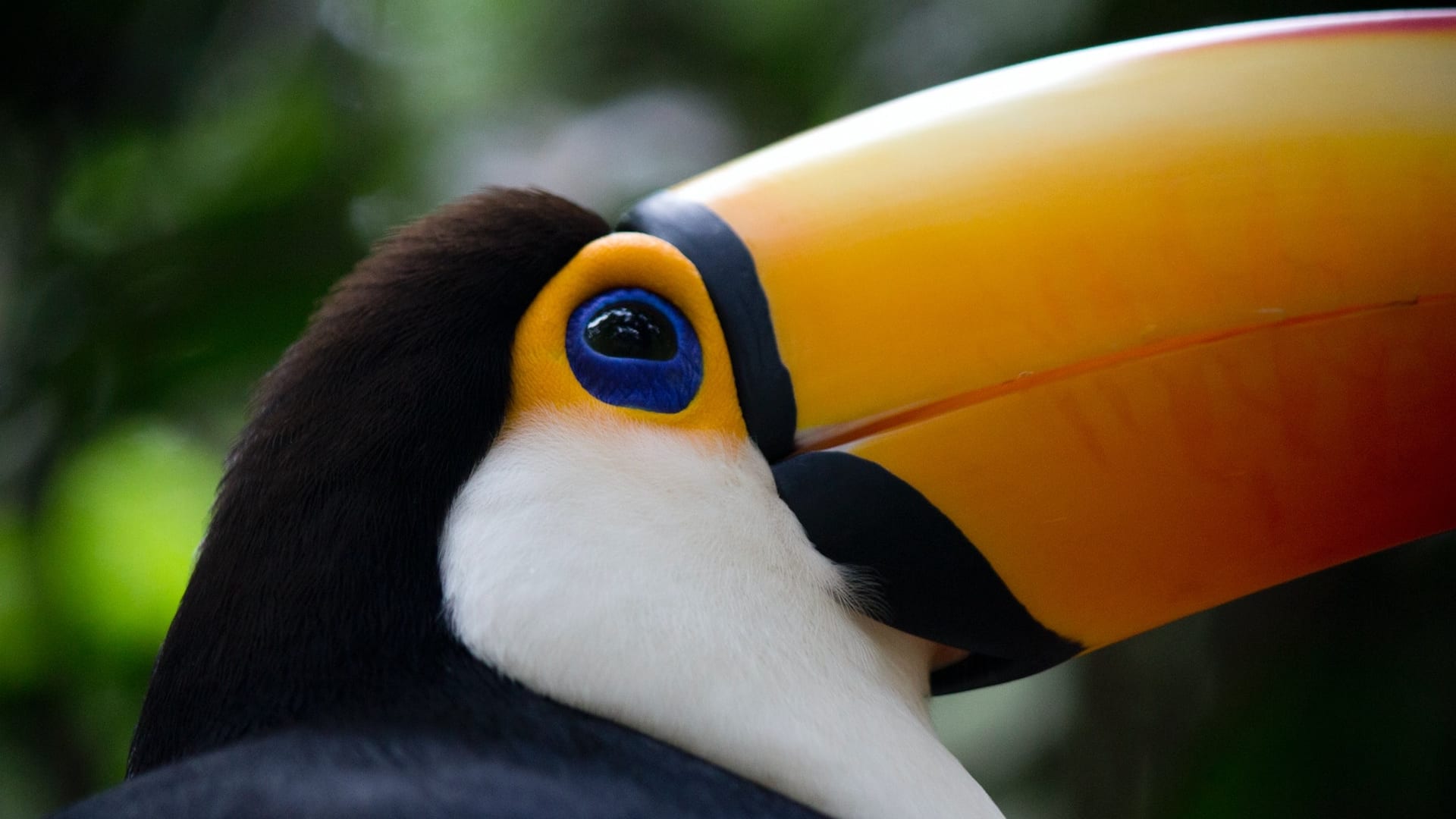
Protect Wildlife
While many tourists are well-meaning animal lovers, a lack of awareness or the lure of an exotic selfie can result in tourists unintentionally harming the very animals they care about. As wildlife experiences become more popular, it is important to plan trips that prioritize animal welfare.
- Keep wildlife wild by not touching, disturbing, or feeding land or marine wildlife. This can alter their natural behavior and have detrimental effects on their ability to survive.
- Be a responsible photographer, taking photos from a distance and not of drugged, restrained or captive animals.
- Choose ethical experiences that do not interact with animals in exploitative ways, such as zoos or elephant rides.
- Wash with biodegradable soap and use sunscreens with the Protect Land + Sea Certification.
- Be aware of what you’re eating, make sustainable seafood choices and avoiding consuming endangered species.
- Buy responsible souvenirs, avoiding items made from animals such as turtle shell, ivory, or coral.

Raise Awareness
Awareness of environmental issues and sustainability best practices are fundamental in saving our rainforests and natural heritage sites. Through your first-hand travel experiences we hope you too will become their advocates.
- Discuss issues with friends, and families via word of mouth or social media to increase awareness further.
- Why not travel with family to embed environmental awareness in future generations for them to carry the fight.
- Stay informed using Sustainable Travel International’s Travel Better Club, an online community where travelers can access sustainable travel tips, take a “Travel Better” pledge, and complete an online training course.
- Raising awareness of conservation issues globally puts local governments under more pressure to act responsibly.
- The viability of rainforest ecotourism encourages locals to adopt sustainable hunting and farming methods, ensuring the future survival of endangered species and habitats whilst appeasing cultural traditions and folklore.
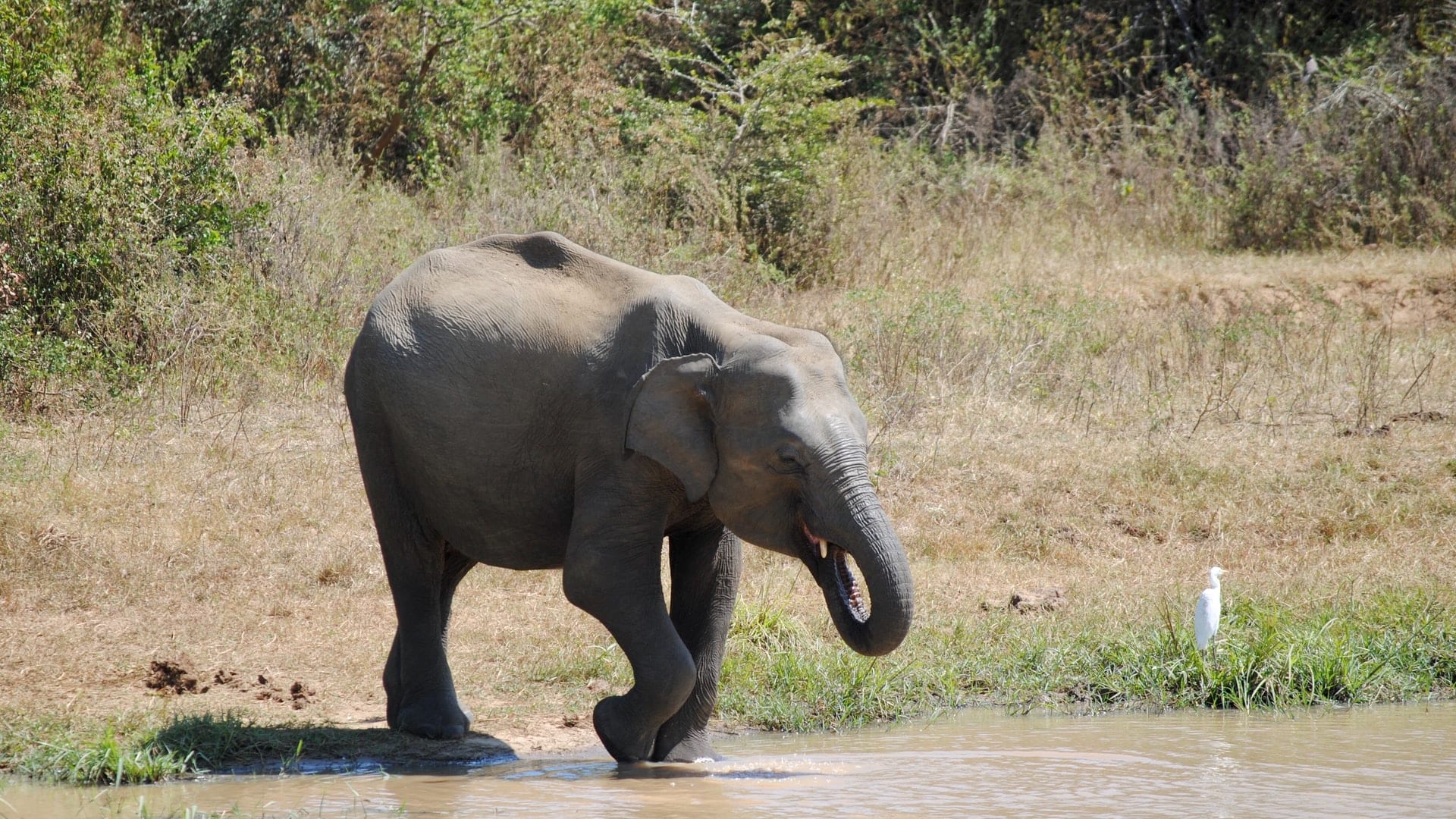
Cruise & Contribute To Conservation
Whether preserving the Amazon and the way of life for its indigenous people, creating an urgently-needed corridor for Borneo’s Pygmy Elephants to migrate, or establishing a network of new national parks across Cambodia, by traveling with Rainforest Cruises you can contribute to swift conservation action when and where it is needed most.
For each and every traveler that books with us we make a donation to the Rainforest Trust’s Conservation Action Fund to allow them to purchase and protect several acres of vulnerable rainforest and the species therein.
Our Conservation Collaborators
Rainforest Trust
Sustainable Travel International
International Ecotourism Society
Local Community School Projects
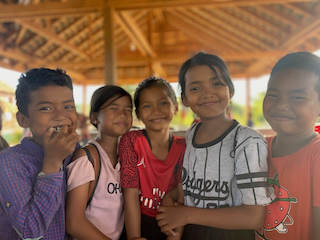
To help make a lasting impact to the local communities in the Peruvian Amazon and Cambodia, we support two school project initiatives.
We ask that any of our guests visiting either of these destinations to help make a difference by either bringing small but essential school supplies in their luggage, or by making an online donation which will be spent on the supplies most needed.
Details of our projects can be found below.
South America: Ribereños of the Peruvian Amazon
Through generous donations from passengers on our Amazon River cruises in Peru, we aim to better the education of, and provide much needed clothing to, the children who live in the remote riverside communities of Puerto Miguel, San Francisco and Amazonas in the Amazon Rainforest of northern Peru’s Loreto department.
Access to education is especially hard to come by in the region, and those schools that do exist have limited funding and support, often lacking the basic school essentials that we take for granted. Any supplies and materials that you can bring will directly contribute to increasing essential literacy and math levels of the local children, your donation a genuine gift of a brighter and more optimistic future.
The supplies needed for this project are as follows:
General School Supplies:
Abacuses, Colored Pencils, Coloring Books, Crayons, Erasers, Handheld Pencil Sharpeners, Pencils, and Solar Calculators
Flash Cards:
(English and Spanish) Alphabet, Math, and Words
Educational Games/Toys:
Checkers, Chess Sets, Connect Four, and Playing Cards
Sports/Outdoor Activity:
Soccer Balls, Volleyballs, and Volleyball Nets
Clothing/Shoes:
Flip-Flops, Sandals, and T-Shirts
Health/Personal Grooming:
Toothbrushes and Toothpaste
Southeast Asia: Kampong Tralach School, Cambodia
Prior to 2012, there were no opportunities for students in Kampong Tralach Krom to learn English outside of specialized state schools or expensive private lessons unmanageable for locals. Then with the support of cruise proceeds an English library program was created in the village primary school, to encourage learning the language.
The Green School became officially registered as an NGO in April of 2017. So touched by the work and progress being made, and having witnessed first-hand the smiling, happy children at the Green School, Rainforest Cruises encourage all travelers on our Mekong River cruise itineraries that visit the school to make an online donation to help fund the ongoing costs of the children’s education.
To learn more about the charity and to make a donation please visit https://ktgs-cambodia.org/.