
When I first started exploring Indonesia by boat, I assumed the choice between a private charter cruise and an open (shared) trip would be simple. One is expensive and exclusive; the other is affordable and social. Yet, after doing both types of cruise in Indonesia, I realized the decision isn’t just about budget. It’s about how you want to experience Indonesia and how much control you want over your days.
A fully private charter cruise provides exclusive use of the vessel, full control over the itinerary, and a highly personalized service environment. The crew and the facilities are dedicated solely to your party. This arrangement allows you to enjoy secluded bays, beaches, and snorkeling sites without the presence of other travelers. It also creates a more intimate setting for families, couples, or groups seeking uninterrupted time together, and can be very bonding for parents and their children.
Alternatively, a shared cruise operates on a scheduled, group-based model, offering a more economical but less customizable experience. It brings together individuals or small groups who may not know one another. While this can foster a convivial, social atmosphere, it also means that personal space is more limited. Activities, dining, and relaxation areas are communal, and guests must adapt to the presence and preferences of others.
The 12-cabin Ombak Putih and 7-cabin Mutiara Laut are available for both private charters and shared voyages. I’ve enjoyed a fair number of excellent shared trips on the Ombak Putih, and several ‘cheap and cheerful’ private charters on ‘sleep-on-the-deck’ budget boats. Additionally, I’ve been on one truly luxurious private charter cruise – the boat is no longer available but don’t worry there are plenty more in the sea. I should mention that my experience was as the guest of my generous friend, Jean-Christophe, who treated not just me but eight of us to a five-day trip through the Komodo National Park in celebration of his 50th birthday. Interestingly, one of the most influential, and often unspoken, factors of a charter is who is paying, but more about that later.
The biggest draw of a private charter cruise is the ultimate sense of freedom and personalization. We had our own boat crew to cater to all of our needs while we cruised from Rinca to Komodo Island to Padar Island at our own pace. The itinerary was entirely ours, and we were able to visit secret coves and snorkeling sites without worrying about a schedule. This flexibility is priceless if you’re looking for a tailored adventure without compromises.
Whether you are on a romantic getaway, a family trip, or a trip with close friends, having a private charter means you can relax and enjoy the journey without strangers around and without having to share deck space. It creates a more intimate atmosphere where conversations feel more meaningful. On a private charter, you can relish customized meals catering specifically to your diet preferences, and participate in activities arranged just for your group. This lavish level of attention makes a substantial difference in how comfortable and special your trip feels. If you’re on your honeymoon or celebrating an anniversary, or a significant birthday like my friend, a private charter lets you set the mood exactly how you want − we decorated the boat, Jean-Christophe planned some surprise events. Enjoying uninterrupted quality time with your loved ones is a wonderful way to create lasting memories within one of the world’s most breathtaking settings.
Meanwhile, shared expedition cruises aboard a comfortable boat with sumptuous food, private cabins, ensuite bathrooms and knowledgeable tour guides, offer a different kind of enjoyment. This is especially appealing if, like me, you love meeting new people and want a more affordable way to see the splendors of Indonesia. Sharing a boat with other guests naturally cuts costs. It’s a great option for solo travelers, couples, or small groups.
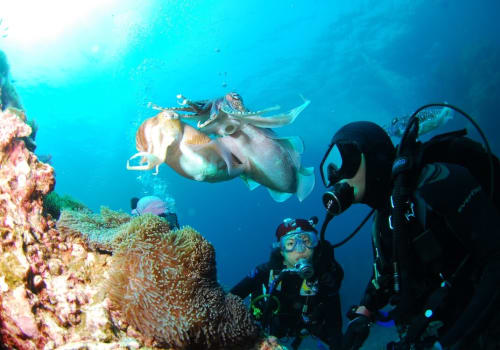
The social factor is also one of the best aspects of a shared cruise. You get to share meals, excursions, and boat time with like-minded travelers who often have similar interests. This kind of shared experience can add a fun, communal spirit to the trip. Friendships can easily form over sunset dinners on the deck. In 2009, my partner and I made a lifelong friend on a shared dive cruise through Raja Ampat. His name is Jim − we call him “Nomadic-Jim” − and we’ve caught up with him every year since, in several different countries.
Since shared cruises typically follow a set route with a structured itinerary, you get to hit some of those bucket-list destinations and sights without having to do the planning yourself. Tour guides often provide interesting insights about the culture, nature, and history during the voyage, enhancing your experience. It’s a hassle-free way to explore the must-see spots and notable dive sites in the famous Komodo National Park, Flores, Sulawesi, Maluku and West Papua. Group activities and shared experiences, including snorkeling and scuba diving, beach barbecues and cultural visits that encourage participation and engagement, will create a sense of camaraderie.
The most immediate variable on a charter is the number of guests. A charter for two people feels very different from a charter for twelve. A small group, such as a couple or a family of four will often lean towards a leisurely style of travel. Lounges and decks become shared living rooms rather than zones to be claimed. Larger groups, by contrast, bring energy and activity. A boat with ten or more guests becomes more social, more structured, and sometimes more democratic. Decisions about snorkeling spots and hiking times require coordination.
A charter with close family members feels different from one with friends, colleagues, or a mix of both. Family charters often revolve around familiarity, stories and reminiscences. Parents may prioritize safety and gentle activities for children, while senior family members might prefer shaded decks and shorter hikes. The crew can adapt easily with earlier breakfasts, kid-friendly meals, or more time spent in calm lagoons. Family groups also tend to have clearer internal hierarchies, with one specific family-member naturally taking the lead in decision-making.
Friends traveling together often seek a balance of adventure and relaxation with a fluid daily rhythm. When the group includes people who don’t know each other well − partners of friends, extended family, or work colleagues − the social dynamic becomes more delicate. Privacy matters more and people may be a bit sensitive about cabin assignments, shared bathrooms, or how much time they spend in communal spaces. The itinerary may need to be more structured to avoid awkward decision-making moments.
If costs are shared equally, this will usually lead to shared decision-making. People feel more entitled to express preferences about activities, cabin selection, or meal choices. The group tends to operate democratically, and the itinerary may reflect compromise. Conversely, if a wealthy family member or generous friend covers the entire cost, this will significantly change the dynamic because they often, even unintentionally, become the de facto decisionmaker. Others may hesitate to voice preferences, decline activities, or request changes. The host may feel responsible for ensuring everyone has a good time, while guests may feel pressure to appear appreciative. Crew members are usually adept at reading these situations, offering choices in ways that empower everyone without undermining the host. Happily, on Jean-Christophe’s 50th birthday cruise, the dynamic was a positive one, and the vibes celebratory.
Whether you choose a private charter or a shared cruise, each offers something special. If you crave privacy, customization, and luxury, a charter is perfect. It’s your boat, your rules, and often feels like a mini floating hotel just for you. On the other hand, if you’re open to new friendships, want to save some money, and enjoy a well-planned adventure with others, a shared cruise offers abundant value and fun. The Indonesian Archipelago is one of the most scenic and culturally rich destinations in the world. Here, you can expect to see active volcanoes, dramatic landscapes, vibrant coral reefs, rare wildlife, spectacular birds, and extraordinary marine creatures, all framed by warm hospitality and beautiful sunsets, so either way, you’re in for an incredible journey. Whichever you choose, the magic of an Indonesian sea voyage will follow you and stay with you, long after you’ve returned home.
While Rainforest Cruises aim to provide accurate and up-to-date information, we make no representations as to the accuracy or completeness of any information herein or found by following any link on this site. Rainforest Cruises cannot and will not accept responsibility for any omissions or inaccuracies, or for any consequences arising therefrom, including any losses, injuries, or damages resulting from the display or use of this information.